 1500 Medical Center Parkway Murfreesboro, TN 37129
 info@prymeexteriors.com


Introduction
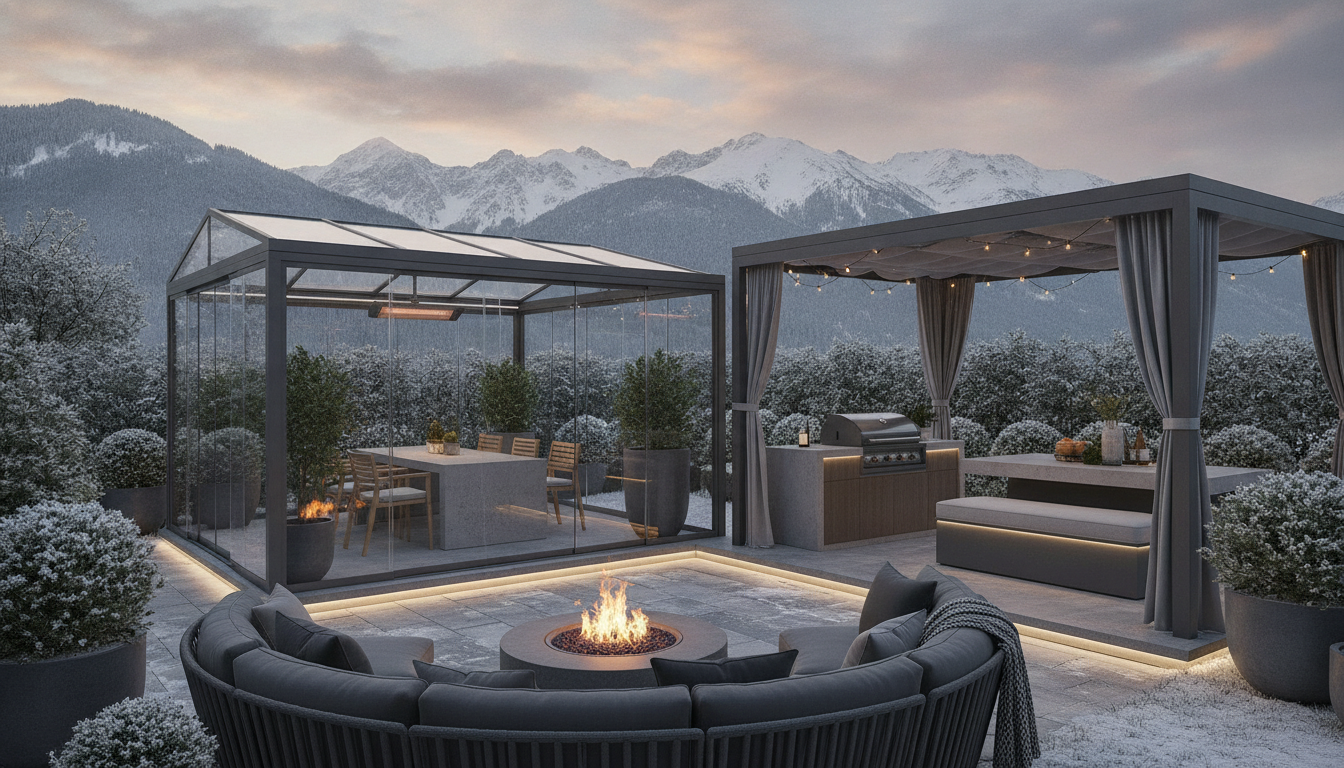
The concept of the backyard has undergone a radical transformation over the last decade. No longer viewed as a simple patch of grass or a seasonal deck used only during the summer months, modern homeowners are now prioritizing Designing Outdoor Spaces for Year-Round Use. This shift toward high-end, multi-functional outdoor living areas is driven by a desire to maximize property square footage and create a seamless transition between interior and exterior environments. However, creating a space that remains comfortable during a blistering July afternoon and a frigid January evening requires more than just high-quality furniture. It demands a sophisticated understanding of structural engineering, thermal dynamics, and, most importantly, advanced roofing solutions. In the current real estate market, a professionally designed, year-round outdoor space is not just a luxury; it is a strategic investment that significantly boosts property valuation and lifestyle quality. This guide provides an exhaustive deep dive into the technical and aesthetic considerations necessary to master the art of year-round outdoor design, with a specific focus on the critical role of roofing and climate mitigation.
The Critical Role of Roofing in Outdoor Design
When Designing Outdoor Spaces for Year-Round Use, the roof is the most influential element of the entire structure. It serves as the primary barrier against UV radiation, precipitation, and thermal transfer. Without a robust roofing system, an outdoor space remains at the mercy of the elements, limiting its utility to a few weeks per year. There are several primary roofing styles used in high-end outdoor design, each offering distinct advantages.
Solid Fixed Roofs
A solid fixed roof, often constructed as an extension of the home’s existing roofline, provides the highest level of protection. By using traditional framing, shingles, or metal panels, these structures offer complete shade and 100% protection from rain and snow. From a technical standpoint, solid roofs allow for the installation of recessed lighting, heavy-duty ceiling fans, and even insulation. Insulation is a frequently overlooked component in outdoor roofing; however, an insulated roof panel can reduce the temperature beneath the structure by up to 15 degrees in the summer by preventing radiant heat from penetrating the ceiling.
Louvered Roofing Systems
For homeowners who desire flexibility, motorized louvered systems represent the pinnacle of outdoor technology. These roofs consist of adjustable slats that can be opened to allow sunlight and ventilation or closed to create a watertight seal. High-quality louvered systems are typically constructed from extruded aluminum, which is resistant to rust and corrosion. Many modern systems include integrated rain sensors that automatically close the louvers at the first sign of moisture, protecting furniture and electronics without manual intervention.
Translucent and Polycarbonate Solutions
In cases where maintaining natural light is a priority, polycarbonate or multi-wall acrylic roofing panels are an excellent choice. These materials are engineered to block harmful UV rays while allowing diffused light to pass through. This prevents the ‘cave effect’ that can sometimes occur when a solid roof is attached to a home, darkening the interior rooms adjacent to the outdoor space. High-grade polycarbonate is virtually unbreakable and can withstand significant hail and snow loads.
Climate Control and Thermal Management
To achieve true year-round functionality, a space must address the extremes of all four seasons. This involves a tiered approach to thermal management, combining passive design principles with active heating and cooling technologies.
Winter Mitigation: Infrared and Radiant Heat
Traditional forced-air heating is ineffective in outdoor environments because the heat quickly dissipates. Instead, designers focus on radiant heat. Infrared heaters are the gold standard for Designing Outdoor Spaces for Year-Round Use. Unlike convection heaters that warm the air, infrared heaters emit electromagnetic waves that warm the objects and people they strike. This is much more energy-efficient and provides a consistent sense of warmth even in breezy conditions. For a truly luxurious experience, many homeowners are also integrating radiant floor heating into their stone or concrete patios, which eliminates the ‘cold feet’ sensation and helps melt away light snow or frost.
Summer Mitigation: Evaporative Cooling and Airflow
In the heat of summer, airflow is paramount. High-volume, low-speed (HVLS) fans are specifically designed to move large quantities of air with minimal noise. When combined with a properly insulated roof, these fans can make a space feel significantly cooler. In arid climates, integrated misting systems can be built directly into the perimeter of the roofline. These systems use high-pressure pumps to create a fine mist that evaporates instantly, dropping the ambient temperature by as much as 20 degrees through the process of evaporative cooling.
Material Selection and Durability Comparison
Choosing the right materials is essential for longevity, especially in regions with high humidity or extreme temperature fluctuations. The following table compares common materials used in outdoor roofing and structural design.
| Material | Durability | Maintenance Level | Insulation Value | Best Use Case |
|---|---|---|---|---|
| Pressure-Treated Wood | Moderate | High (Requires staining) | Low | Traditional aesthetic, budget-friendly |
| Extruded Aluminum | Excellent | Low | Moderate (if thermal break included) | Modern louvered systems, coastal areas |
| Natural Stone/Pavers | Superior | Low | High (Thermal mass) | Flooring and pillar cladding |
| Synthetic Thatch/Polymer | High | Low | Moderate | Tropical or themed aesthetics |
| Asphalt Shingles | High | Moderate | Moderate | Matching existing home roofline |
Advanced Enclosure Strategies
While a roof provides overhead protection, the sides of the structure are often the weak point in year-round design. Wind and driving rain can easily render a covered patio unusable. To solve this, professional designers utilize various enclosure strategies.
Motorized Solar and Weather Shades
Retractable screens are a versatile solution. During the summer, mesh screens can block up to 90% of solar heat gain and keep insects out while maintaining airflow. In the winter, these can be swapped for clear vinyl panels that act as a windbreak and create a ‘greenhouse effect,’ trapping heat inside the space. These systems are often integrated into smart home hubs, allowing them to be raised or lowered via smartphone or voice command.
Glass Curtain Walls
For the ultimate in luxury and protection, frameless glass curtain walls allow for an unobstructed view while providing a complete seal against the elements. These panels can be slid open and stacked during pleasant weather or closed to create a fully conditioned sunroom during a storm. When combined with a robust roofing system, glass walls effectively turn an outdoor space into a true four-season room.
Structural Considerations and Engineering
When Designing Outdoor Spaces for Year-Round Use, one must never overlook the technical requirements of building codes. Adding a roof to an existing deck or patio significantly increases the ‘dead load’ (the weight of the structure itself) and the ‘live load’ (temporary loads like snow and wind). Failure to account for these can lead to structural failure.
- Snow Load: In northern climates, the roof must be engineered to hold several tons of snow. This requires specific rafter spacing and beam thickness.
- Wind Uplift: A roof acts like a wing during high winds. Proper anchoring to the foundation is critical to prevent the structure from lifting during a storm.
- Drainage: An outdoor roof needs a dedicated gutter and downspout system. Improper drainage can lead to foundation erosion or water pooling on the patio surface, which creates a slip hazard in freezing temperatures.
Frequently Asked Questions
1. Do I need a building permit for a year-round outdoor roof?
Yes, in almost all jurisdictions, adding a permanent roof structure requires a building permit. This ensures the design meets local safety codes for wind, snow, and fire safety. Working with a professional contractor who understands local zoning laws is essential.
2. What is the best roofing material for a patio in a hot climate?
Reflective metal roofing or insulated sandwich panels are excellent choices for hot climates. These materials reflect solar radiation and prevent heat from radiating downward into the living space. Light colors are always preferred to minimize heat absorption.
3. Can I install a kitchen under an outdoor roof?
Absolutely. However, you must include a professional-grade vent hood if the grill is located under a solid roof. This prevents the buildup of smoke, grease, and carbon monoxide, ensuring the space remains safe and clean.
4. How much does it cost to build a year-round outdoor space?
Costs vary widely based on materials and technology. A basic covered patio might start at $10,000, while a high-end space with a motorized louvered roof, infrared heating, and an outdoor kitchen can exceed $100,000. The investment typically yields a high ROI by increasing the home’s usable square footage.
5. How do I maintain an outdoor roofing system?
Maintenance depends on the material. Aluminum systems require simple annual cleaning with soap and water. Wood structures need to be resealed every 2-3 years. Gutters should be cleared of debris twice a year to ensure proper drainage and prevent water damage.
Conclusion
Mastering the art of Designing Outdoor Spaces for Year-Round Use requires a holistic approach that balances aesthetics with rigorous engineering. By selecting the right roofing system, integrating smart climate control technology, and choosing durable materials, homeowners can create an outdoor sanctuary that defies the limitations of the seasons. Whether it is a cozy winter evening by a radiant heater or a cool summer afternoon under a louvered canopy, a well-designed outdoor space provides a unique connection to nature without sacrificing the comforts of modern living. To ensure the best results, always consult with structural experts and professional roofing contractors who specialize in exterior living environments. A properly executed design is not just an addition to your home; it is a transformation of your lifestyle.