1500 Medical Center Parkway Murfreesboro, TN 37129
 info@prymeexteriors.com


Introduction: The Critical Role of Drainage in Property Longevity
In the realm of property maintenance, water is often described as the single most destructive force a structure faces. While modern construction techniques have advanced significantly, the fundamental challenge remains: how to efficiently collect, divert, and discharge water away from the building envelope. A drainage system is not merely a set of gutters and pipes; it is a complex, integrated network designed to protect the structural integrity of your home from the roof down to the foundation. In recent years, industry trends have shifted toward more resilient infrastructure due to an increase in extreme weather events and high-intensity rainfall. Homeowners and commercial property managers alike are finding that systems designed decades ago are no longer sufficient for today’s environmental demands. Understanding the signs your drainage system may be putting your property at risk is the first step in preventing catastrophic structural failure and maintaining the long-term value of your investment.
The Anatomy of an Integrated Drainage System
To identify failure, one must first understand the components of a healthy system. In the context of roofing and property management, drainage is divided into three primary zones: the collection zone (roof and gutters), the conveyance zone (downspouts and leaders), and the discharge zone (underground piping or surface grading). When any of these zones fail, the entire system is compromised. For instance, if the collection zone is clogged with debris, water will overflow, bypassing the conveyance zone entirely and falling directly onto the foundation. This cascading failure is why professional roofing contractors emphasize the importance of a holistic approach to water management.
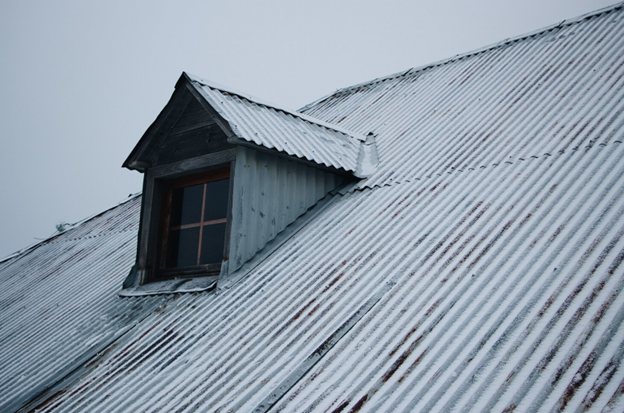
The Roof: Your First Line of Defense
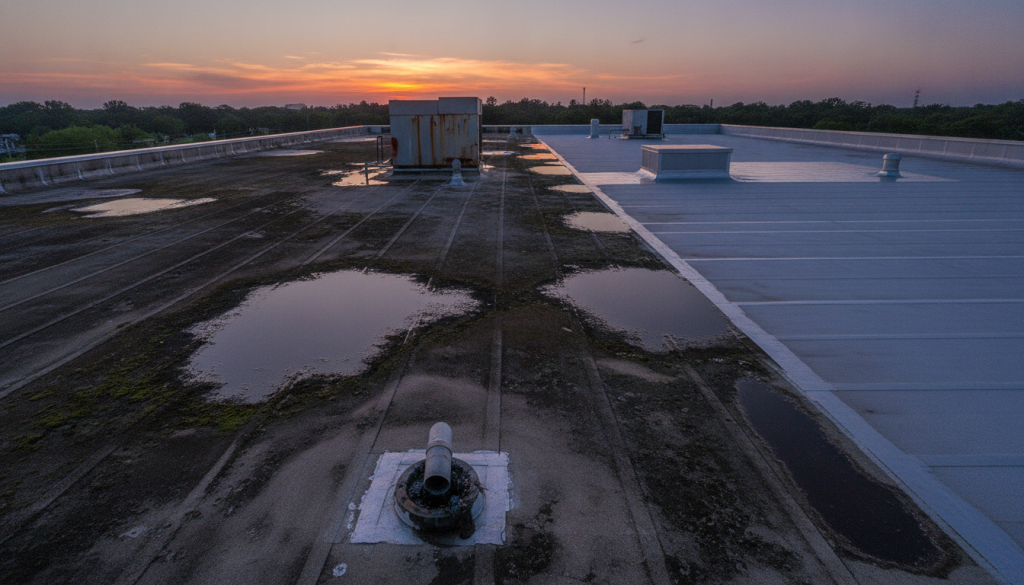
The roof is the primary catchment area for a property. A standard 2,000-square-foot roof can shed over 1,200 gallons of water during just one inch of rainfall. This massive volume of water must be channeled precisely. If the roof pitch is uneven or if shingles are improperly installed, water can pool or ‘backflow’ under the roofing material, leading to deck rot before the water even reaches the gutters. This is often the first sign of a systemic drainage issue that goes unnoticed until interior leaks appear.
Visible Signs of Drainage Failure in Gutters and Downspouts
The most obvious indicators of risk manifest in the gutter system. Gutters serve as the transition point between the roof and the rest of the property. When they fail, the damage is often immediate and visible.
1. Sagging or Pulling Away from the Fascia
Gutters are designed to be lightweight yet strong enough to handle water flow. However, when they become clogged with leaves, silt, or ice, the weight becomes excessive. A gallon of water weighs approximately 8.34 pounds; a gutter filled with water and debris can weigh hundreds of pounds. This causes the hangers to loosen and the gutter to sag. Once the pitch is lost, water pools in the low spots, accelerating corrosion and leading to overflows even during light rain.
2. Peeling Paint and Rust Stains
On the exterior of your home, peeling paint or orange rust streaks on the siding or the gutters themselves are red flags. This indicates that water is consistently overflowing or leaking through seams. In wood-sided homes, this moisture leads to wood rot, which can attract wood-boring insects like termites and carpenter ants. If you notice ‘tiger striping’ (dark vertical lines) on the front of your gutters, it is a sign that water is regularly cascading over the edge rather than flowing through the channel.
3. Erosion and Trenches in the Landscaping
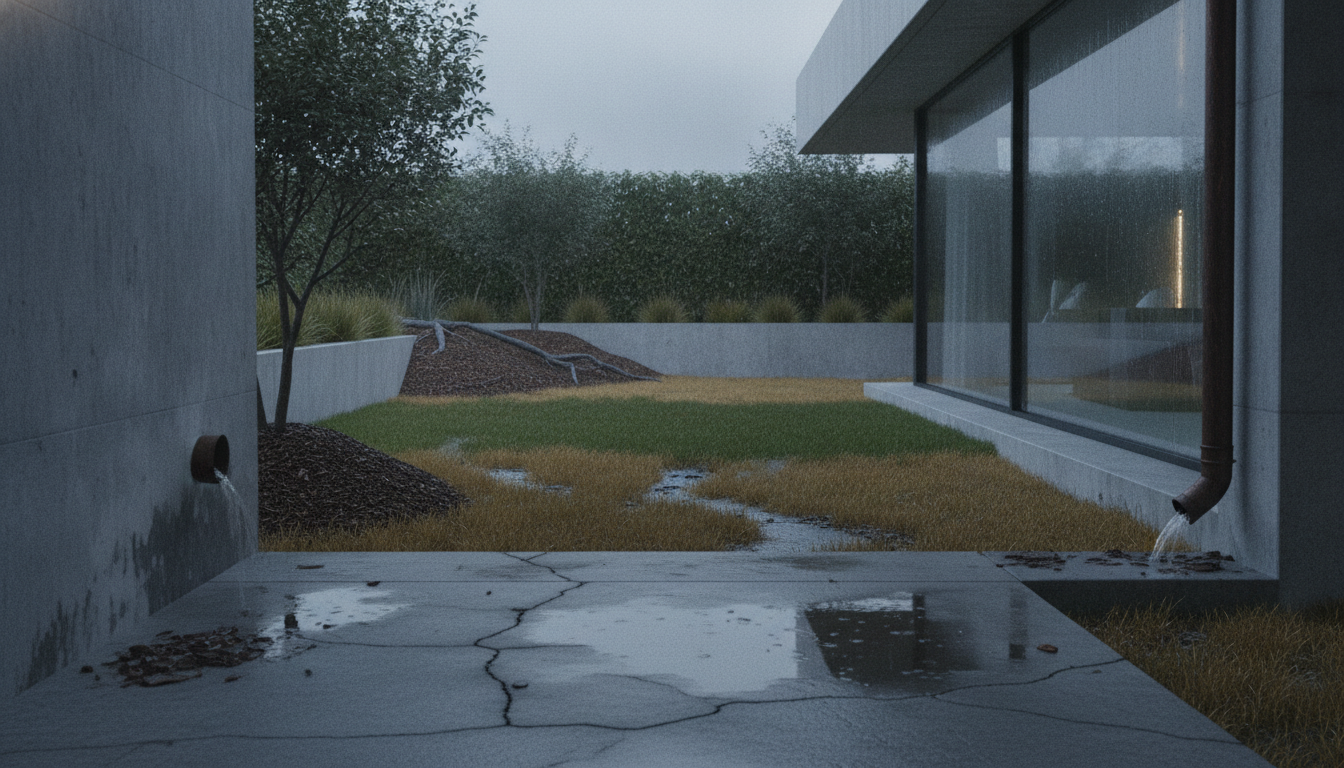
Look at the ground directly beneath your roofline. If you see ‘trenches’ in the soil, washed-out mulch, or exposed plant roots, your drainage system is failing to contain the water. This concentrated falling water acts like a pressure washer, stripping away topsoil and eventually reaching the foundation footings. This is a clear sign that your gutters are either undersized for your roof area or are completely blocked.
The Hidden Danger: Foundation and Subsurface Issues
While gutter issues are visible, the most dangerous signs of drainage failure occur underground. The foundation is the most expensive part of a property to repair, and water is its primary enemy.
4. Foundation Cracks and Settling
When water is not diverted at least five to ten feet away from the house, it saturates the soil around the foundation. This leads to a phenomenon known as hydrostatic pressure. As the soil absorbs water, it expands, pushing against the foundation walls. When the soil dries, it contracts. This constant expansion and contraction lead to vertical and horizontal cracks. If you notice doors that no longer close properly or windows that stick, your property may be experiencing structural shifting due to poor drainage.
5. Basement Seepage and Efflorescence
A damp basement or crawlspace is a definitive sign of drainage failure. Look for ‘efflorescence’—a white, powdery substance on concrete walls. This is actually salt left behind when water evaporates. It proves that water is migrating through the porous concrete. Over time, this moisture weakens the concrete and can lead to the growth of toxic mold, which poses significant health risks to occupants.
Technical Analysis: Drainage Risk Assessment Table
The following table outlines the correlation between common symptoms and their long-term risks to the property.
| Symptom | Primary Cause | Risk Level | Long-Term Impact |
|---|---|---|---|
| Overflowing Gutters | Debris or Undersized Pipes | Medium | Fascia rot, siding damage, mold |
| Water Pooling at Base | Short Downspouts | High | Foundation settling, basement flooding |
| Soil Erosion | Uncontrolled Runoff | Medium | Landscape loss, foundation exposure |
| Ice Dams | Poor Insulation/Drainage | Critical | Roof deck rot, interior water damage |
| Sticking Doors/Windows | Soil Saturation | Critical | Structural failure, costly leveling |
Advanced Indicators: Interior Warning Signs
Sometimes the signs your drainage system may be putting your property at risk appear inside the building, far from the actual source of the problem.
6. Unexplained Humidity and Musty Odors
If your home feels humid even when the air conditioner is running, or if there is a persistent musty smell in the lower levels, your drainage system is likely allowing water to pool under or against the structure. This moisture evaporates into the building envelope, increasing the load on your HVAC system and creating a breeding ground for allergens.
7. Wall and Ceiling Stains
Water has a unique ability to travel along rafters and joists. A stain on a second-floor ceiling might actually be caused by a gutter backup that has forced water under the roof shingles at the eave. These ‘ice dam’ or ‘backup’ leaks are often intermittent, appearing only during heavy rain or snowmelt, which makes them easy to ignore until the drywall fails.
Preventative Strategies and Professional Solutions
Addressing these signs requires a proactive approach. Industry experts recommend a bi-annual inspection of the entire drainage path. Key preventative measures include:
- Gutter Guards: Installing high-quality micro-mesh guards to prevent debris accumulation.
- Downspout Extensions: Ensuring all downspouts discharge water at least six feet away from the foundation.
- French Drains: Installing subsurface drainage for properties with high water tables or poor soil percolation.
- Regrading: Ensuring the soil slopes away from the house at a rate of at least one inch per foot for the first six feet.
Frequently Asked Questions
How often should I clean my gutters to ensure proper drainage?
Most properties require gutter cleaning at least twice a year—once in late spring and once in late fall. However, if your property is surrounded by heavy tree cover, especially pine trees or oaks, you may need to clean them quarterly to prevent blockages that put your foundation at risk.
Can a bad drainage system really cause my foundation to collapse?
Yes. Prolonged exposure to hydrostatic pressure and soil erosion can undermine the footings of a house. Over time, this leads to ‘differential settlement,’ where one part of the house sinks faster than another, causing severe structural cracks and, in extreme cases, partial wall collapse.
What is the ‘5-foot rule’ in property drainage?
The 5-foot rule is a general guideline used by inspectors stating that all roof runoff should be discharged at least five feet away from the foundation. This distance is usually sufficient to ensure the water does not seep back toward the foundation walls, provided the grading is positive.
Are seamless gutters better for preventing property damage?
Seamless gutters are highly recommended because they eliminate the joints where leaks most commonly occur. By reducing the number of potential failure points, you decrease the risk of water dripping onto the fascia or foundation.
How do I know if my gutters are undersized?
If your gutters overflow during a heavy rain even when they are perfectly clean, they are likely undersized. Standard 5-inch gutters are common, but many modern homes with steep roofs require 6-inch or even 7-inch gutters to handle the increased velocity and volume of water.
Conclusion: Protecting Your Investment
Recognizing the signs your drainage system may be putting your property at risk is essential for any responsible property owner. From the subtle appearance of efflorescence in a basement to the obvious sagging of a gutter line, these indicators are the building’s way of signaling distress. Ignoring these signs can lead to tens of thousands of dollars in structural repairs, mold remediation, and landscape restoration. By maintaining a clear path for water to travel from your roof to a safe discharge point, you ensure the longevity, safety, and value of your property. Regular inspections and timely upgrades to your roofing and drainage infrastructure are not just maintenance tasks; they are critical investments in your home’s future structural integrity.