1500 Medical Center Parkway Murfreesboro, TN 37129
 info@prymeexteriors.com


Introduction
Owning a home is one of the most significant financial and personal investments most people will make in their lifetime. However, with homeownership comes the inevitable responsibility of ongoing maintenance and unexpected damage. When systems fail or severe weather strikes, homeowners are often left with a critical question: Emergency Home Repairs: Which Problems Can’t Wait? Failing to distinguish between a cosmetic issue that can be scheduled next month and a catastrophic failure that requires immediate professional intervention can cost tens of thousands of dollars in avoidable damage and compromise your family’s safety.
According to recent housing industry data, deferred maintenance is one of the leading causes of accelerated home depreciation. The financial impact of putting off urgent repairs is compounding; a minor roof leak or a small plumbing drip can evolve into widespread toxic mold, structural wood rot, or foundation failure within a matter of days. In this comprehensive guide, we will analyze the most critical home emergencies, with a particular focus on roofing systems—your home’s primary shield against the elements—while providing you with a clear, actionable prioritization matrix to safeguard your property and your wallet.
Understanding the Threshold: What Constitutes a Home Emergency?
Not every broken fixture or strange noise warrants an emergency service call-out fee. To manage your home maintenance budget effectively, you must understand how to categorize household issues. A true home repair emergency is any situation that poses an immediate threat to human life or safety, threatens the structural integrity of the property, or is actively causing progressive, severe damage to the home’s interior or exterior systems.
Financial and Structural Consequences of Delay
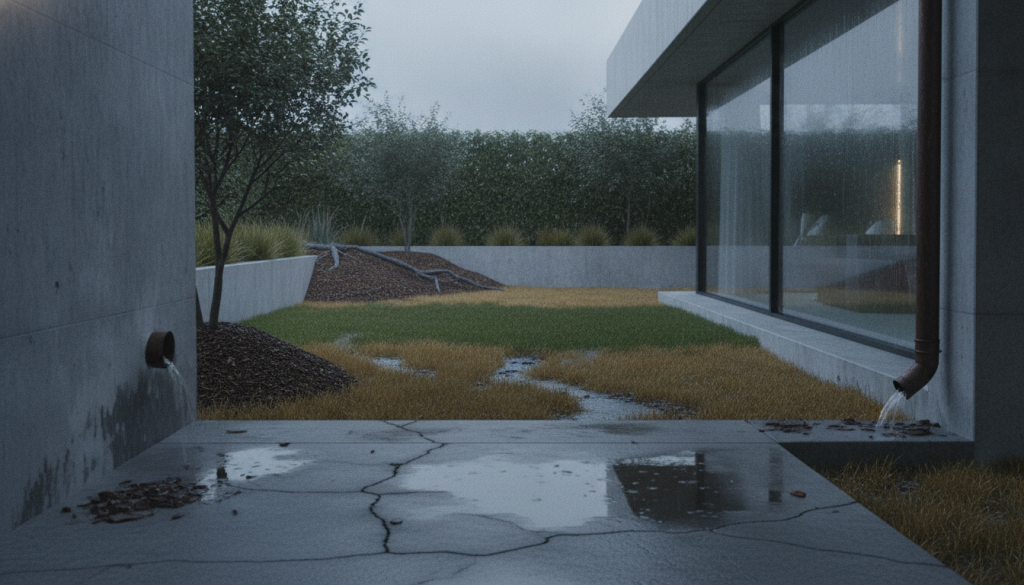
When you ignore a critical issue, you are not merely postponing a bill; you are actively increasing its final cost. For instance, water penetrating a home’s envelope does not dry out on its own without causing damage. It actively degrades drywall, rusts structural fasteners, ruins insulation, and breeds mold spores. Within 24 to 48 hours of exposure to moisture, mold can colonize wood and drywall, turning a simple patch repair into a massive hazardous remediation project. Understanding the urgency of Emergency Home Repairs: Which Problems Can’t Wait? is your best defense against exponential repair costs.
Roof Damage: The First Line of Defense Under Attack
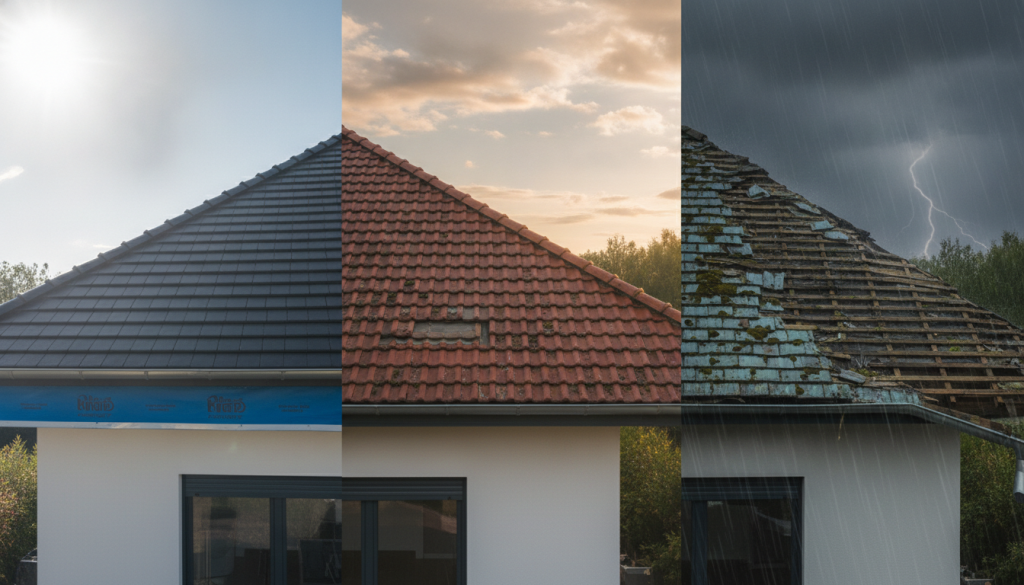
Your roof is the most critical component of your home’s exterior envelope. It bears the brunt of UV radiation, heavy rains, high winds, and snow loads. When a roof’s integrity is breached, the entire structure beneath it is placed at immediate risk. In the context of roofing, certain problems demand immediate, same-day attention from a licensed roofing professional.
Active Roof Leaks and Water Infiltration
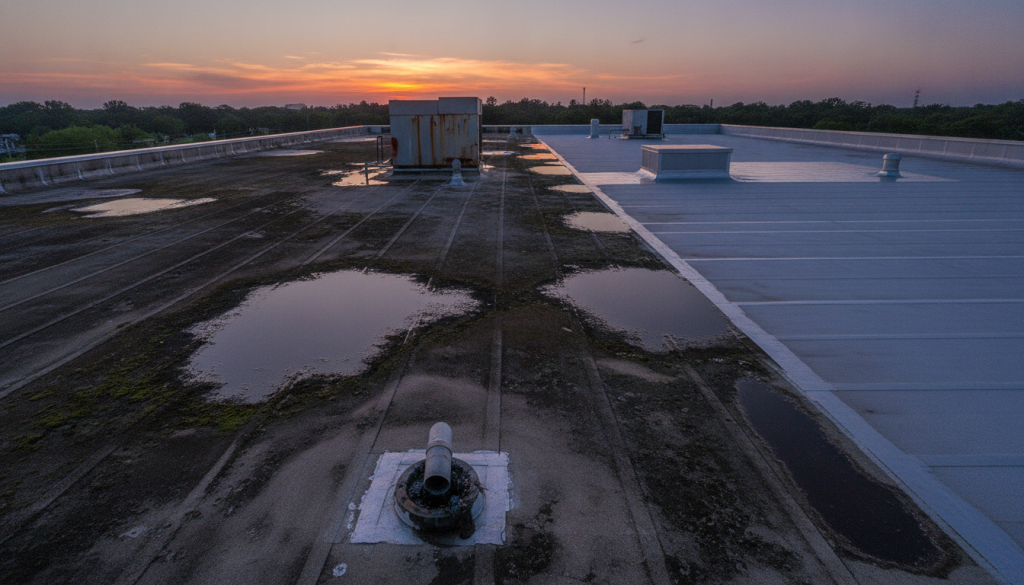
An active roof leak is never a minor issue, even if it presents as a slow, rhythmic drip in your attic. By the time water is visible on your ceiling, it has already saturated your roof deck, bypassed your underlayment, soaked through your attic insulation, and pooled on the backside of your drywall ceiling.
During heavy downpours or winter ice damming events, water can travel horizontally along rafters before dripping down, making the source difficult to locate. Active water leaks can short-circuit electrical wiring in your attic, create slipping hazards, ruin ceiling joists, and destroy personal property. Emergency tarping and rapid leak detection are required immediately to halt the damage.
Compromised Structural Integrity (Sagging Rooflines)
A sagging roofline is a clear, visible indicator of structural failure. A healthy roof should have straight, crisp lines along its ridges and slopes. If you notice dipping, bowing, or sagging in the roof plane, the structural support system—either the rafters, trusses, or the roof decking itself—is failing. This can be caused by long-term water damage, overloaded snow accumulation, poor original construction, or termite damage. A sagging roof is under constant risk of localized or catastrophic collapse, posing an extreme safety hazard to anyone inside the home. This is a premier example of an emergency repair that cannot wait even a single day.
Severe Wind, Hail, and Storm Damage
High winds can tear away asphalt shingles, expose the underlying plywood deck, or lift metal panels. Hail can fracture the asphalt mat of shingles, bruising them and stripping away the protective mineral granules that shield the roof from harmful UV rays. Furthermore, fallen tree limbs can puncture the roof membrane entirely, leaving massive holes open to the elements. If your roof has suffered impact damage or has large sections of missing underlayment or shingles after a storm, you must contact an emergency roofing service to secure the area with heavy-duty tarps and prevent devastating water intrusion.
Plumbing Disasters: Water Damage and Biohazards
While roof leaks attack your home from the top down, plumbing failures can destroy it from the inside out. Water under pressure can cause catastrophic damage in a matter of minutes, making plumbing issues some of the most time-sensitive emergencies you will ever face.
Burst Pipes and Uncontrolled Flooding
A burst pressurized water line can discharge hundreds of gallons of water per hour into your living spaces. This typically occurs due to freezing winter temperatures, high water pressure, or advanced pipe corrosion. If you hear rushing water or notice sudden, severe flooding, your first action must be to shut off the main water valve to the home. Once the water is off, an emergency plumber must be called to cut out and replace the ruptured section of pipe. The standing water must then be professionally extracted immediately to prevent structural wood rot and mold growth.
Sewer Line Backups
A backup in your main sewer line is more than just an inconvenient clog; it is a hazardous biohazard emergency. When waste cannot flow away from your home, it backs up through the lowest drains—typically basements, utility sinks, or bathtubs. Raw sewage contains dangerous pathogens, bacteria, and viruses that pose immediate health risks to your family. If you notice multiple drains backing up simultaneously, or if flushing the toilet causes water to rise in your shower, you must stop using all water immediately and call an emergency rooter or plumbing service to clear the main line obstruction.
Electrical Hazards: Preventing Catastrophic Fire Risk
According to the National Fire Protection Association (NFPA), electrical failures or malfunctions are a leading cause of home fires. Because electrical currents are invisible, many homeowners fail to recognize the warning signs of an impending electrical disaster until it is too late.
Sparking Outlets and Burning Smells
If you plug an appliance into an outlet and see a bright flash, hear a sizzling sound, or notice a fishy, burning plastic odor coming from your walls, you are experiencing an active arc fault. This occurs when electrical current jumps across damaged or loose wiring, generating intense heat that can easily ignite surrounding wood studs and paper-backed insulation. You should immediately turn off the breaker controlling that circuit at your main electrical panel and call an emergency electrician. Do not attempt to use that outlet or circuit again until it has been thoroughly inspected and repaired.
Widespread Power Loss and Exposed Wiring
While a localized blackout is usually an utility provider issue, a partial power loss (such as a brownout where only half of your home has power) can indicate a dangerous dropped neutral wire or a failing main breaker. Additionally, if construction work, pests, or water leaks have left live wires exposed, the risk of accidental electrocution or fire is incredibly high. These issues require professional diagnostics to prevent catastrophic damage to your home’s electrical system and appliances.
Structural and Climate-Control Emergencies
A home must remain structurally sound and thermally regulated to protect both the building materials and its occupants. When these macro-systems fail, they demand immediate, decisive action.
Foundation Cracks and Shifting
While minor settling cracks are common in concrete foundations, wide, stair-step cracks in brickwork, horizontal cracks in basement walls, or doors and windows that suddenly refuse to close are signs of severe structural shifting. A shifting foundation can compromise the load-bearing walls of your home, leading to structural failures throughout the property, including your roofing rafters and floor joists. If you observe rapid crack propagation or bowing basement walls, a structural engineer or foundation specialist must assess the home immediately to prevent structural collapse.
HVAC Failures in Extreme Weather
Whether a broken furnace or air conditioner constitutes an emergency depends heavily on the outdoor temperature. If your heating system fails when temperatures are below freezing, your home’s internal temperature will drop rapidly. This not only poses a hypothermia risk to vulnerable family members but also guarantees that your water pipes will freeze and eventually burst. Conversely, a failed air conditioning unit during an extreme summer heatwave can lead to heat exhaustion and stroke, particularly for elderly individuals or pets. In these extreme conditions, HVAC restoration cannot wait.
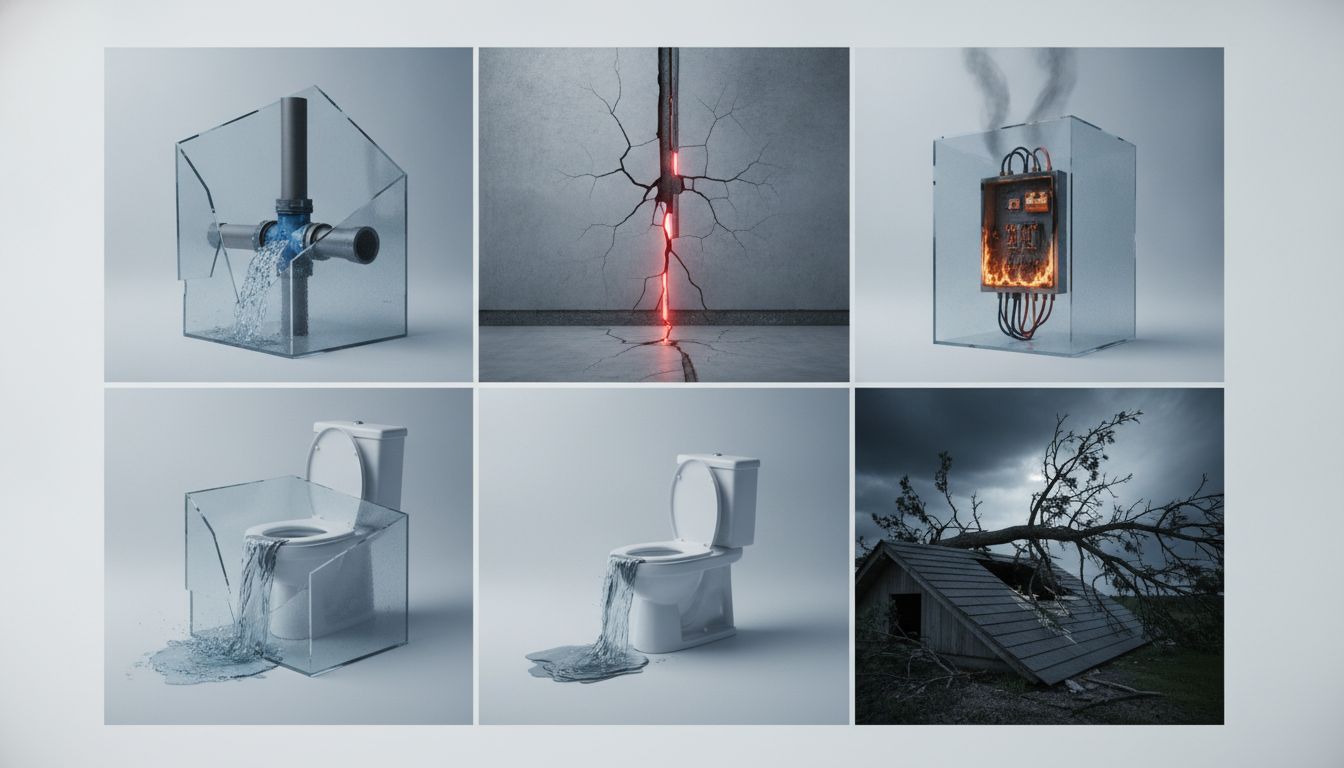
Emergency Prioritization Matrix
To help you quickly assess problems when they arise, use this reference table to evaluate the urgency of common household issues. This matrix highlights which situations require immediate action and which can be scheduled during regular business hours.
| Home Component | Specific Problem | Urgency Level | Primary Risk of Delay | Immediate Action Required |
|---|---|---|---|---|
| Roofing | Active, dripping roof leak during rain | Critical | Ceiling collapse, mold, electrical shorts | Tarp roof externally; place buckets below drip |
| Roofing | Sagging roofline or bowing rafters | Critical | Catastrophic structural collapse | Evacuate area; call structural contractor |
| Plumbing | Burst pressurized pipe / indoor flooding | Critical | Rampant water damage, rot, mold | Shut off main water valve; call plumber |
| Electrical | Burning smell or sparking from wall outlet | Critical | Electrical house fire | Turn off breaker; call emergency electrician |
| Plumbing | Main sewer line backup in drains | High | Biohazard contamination, health risks | Stop water use; call emergency drain service |
| HVAC | No heat during sub-freezing weather | High | Frozen/burst pipes, hypothermia | Drip faucets; call HVAC technician |
| Roofing | A few missing shingles (no active leak) | Moderate | Gradual wood rot over several weeks | Schedule professional repair within 7-10 days |
Key Takeaways for Homeowners
- Know Your Shutoffs: Every adult in your home must know the exact location of the main water shutoff valve, the main electrical panel breaker, and the gas shutoff valve. Knowing how to turn these off instantly can save you thousands of dollars in an emergency.
- Do Not Delay on Water: Water is the single most destructive element to a home. Whether it comes from an active roof leak or a burst pipe, water must be stopped and dried within 24 to 48 hours to prevent toxic mold colonization.
- Document Everything for Insurance: If your emergency is caused by a sudden storm, fallen tree, or burst pipe, take clear photographs and videos of the damage before any temporary repairs (like tarping) are made. This documentation is critical for your homeowners insurance claim.
- Keep Emergency Contacts Handy: Do not wait for a disaster to search for a contractor. Have the phone numbers of a trusted, licensed emergency roofing contractor, plumber, and electrician saved in your phone.
- Temporary Mitigation is Key: In many cases, you cannot get a permanent repair instantly. However, temporary mitigation—such as placing an emergency tarp over a damaged roof or shutting off the water—will stop the active damage while you wait for the repair crew to arrive.
Frequently Asked Questions
Q1: How do I know if a roof leak is an emergency?
An active roof leak is always an emergency if water is actively dripping into your living space, pooling on your ceiling, or running down your interior walls. This indicates that your roof’s protective layers have been completely breached and water is actively damaging the wooden framing and drywall of your home. It requires immediate emergency tarping to prevent ceiling collapse and electrical fires.
Q2: Can I apply a temporary tarp to my roof myself?
While you can theoretically tarp a roof yourself, it is highly discouraged due to the extreme safety risks involved. Climbing onto a wet, damaged, or wind-blown roof during or immediately after a storm is incredibly dangerous. Roofs compromised by structural damage or sagging can collapse under your weight. It is always safest to hire a licensed, insured roofing contractor who has the safety harnesses, ladders, and experience to perform emergency tarping safely.
Q3: What should I do if my ceiling is bowing or sagging from a water leak?
If your drywall ceiling is visibly sagging or bowing downward, it is holding a significant amount of trapped water. This poses an immediate threat of collapse. You should carefully place a bucket underneath the sag, clear the surrounding area of any valuables, and use a small nail or drill bit to puncture a small hole in the center of the sag to release the trapped water. This relieves the weight on the drywall and can prevent the entire ceiling panel from crashing down before professional help arrives.
Q4: Does homeowners insurance cover emergency repairs?
In most cases, homeowners insurance will cover emergency repairs if the damage was caused by a sudden, accidental event, such as a severe storm, fallen tree, or a sudden pipe burst. However, insurance generally does not cover damage resulting from long-term neglect or lack of routine maintenance. Most policies actually require homeowners to take immediate, reasonable action to mitigate further damage (such as calling a professional for emergency tarping or water extraction), making prompt action essential for claim approval.
Q5: How long can I wait to repair a minor roof leak?
You should not wait at all. Even if a leak only drips during heavy downpours, the wood rot, insulation damage, and mold growth are continuous. A minor leak that could be repaired with a simple shingle replacement or flashing repair can quickly escalate into a full roof replacement if left unaddressed for several months.
Conclusion
When it comes to maintaining your home, timing is everything. Understanding the nuances of Emergency Home Repairs: Which Problems Can’t Wait? can mean the difference between a simple, affordable fix and a catastrophic, budget-breaking renovation. Roof failures, burst pipes, sewer backups, and electrical hazards are highly volatile situations that demand swift, professional resolution. By prioritizing these critical repairs, you protect your household’s safety, preserve your property value, and ensure your home remains a secure sanctuary for years to come.
If you suspect your home has suffered severe roof damage, or if you are currently experiencing an active leak, do not wait for the damage to spread. Contact a licensed, professional roofing specialist immediately to secure your home with expert emergency services, comprehensive inspections, and reliable, long-lasting repairs. Protecting your home starts with acting fast when it matters most.