 1500 Medical Center Parkway Murfreesboro, TN 37129
 info@prymeexteriors.com

Introduction
In the competitive world of real estate and home renovation, the term “curb appeal” is often synonymous with lush landscaping, a fresh coat of paint, or a welcoming front door. However, industry trends and architectural data suggest that homeowners are overlooking the most significant contributor to a home’s exterior aesthetic: the roof. According to recent surveys by the National Association of Realtors (NAR), a new roof is one of the top exterior projects for adding value at resale, often recovering over 60% of its cost. Yet, the The Roof-to-Curb-Appeal Connection: The Upgrade You Didn’t Know You Needed goes far beyond mere financial ROI. It is about the fundamental visual composition of a property. For many homes, the roof represents up to 40% of the visible exterior. When that 40% is stained, aging, or mismatched, no amount of landscaping can compensate for the visual deficit. This article provides a deep-dive into how modern roofing technology and design choices serve as the ultimate upgrade for your home’s identity and market value.
The Architectural Dominance of the Roofline
To understand the The Roof-to-Curb-Appeal Connection: The Upgrade You Didn’t Know You Needed, one must first look at the geometry of a house. Depending on the pitch and style of your home—whether it is a steep-sloped Tudor, a sprawling Ranch, or a complex Victorian—the roof occupies a massive portion of the viewer’s field of vision. When a roof is in disrepair, it acts as a visual anchor, dragging down the perceived quality of the entire structure.
The 40% Rule
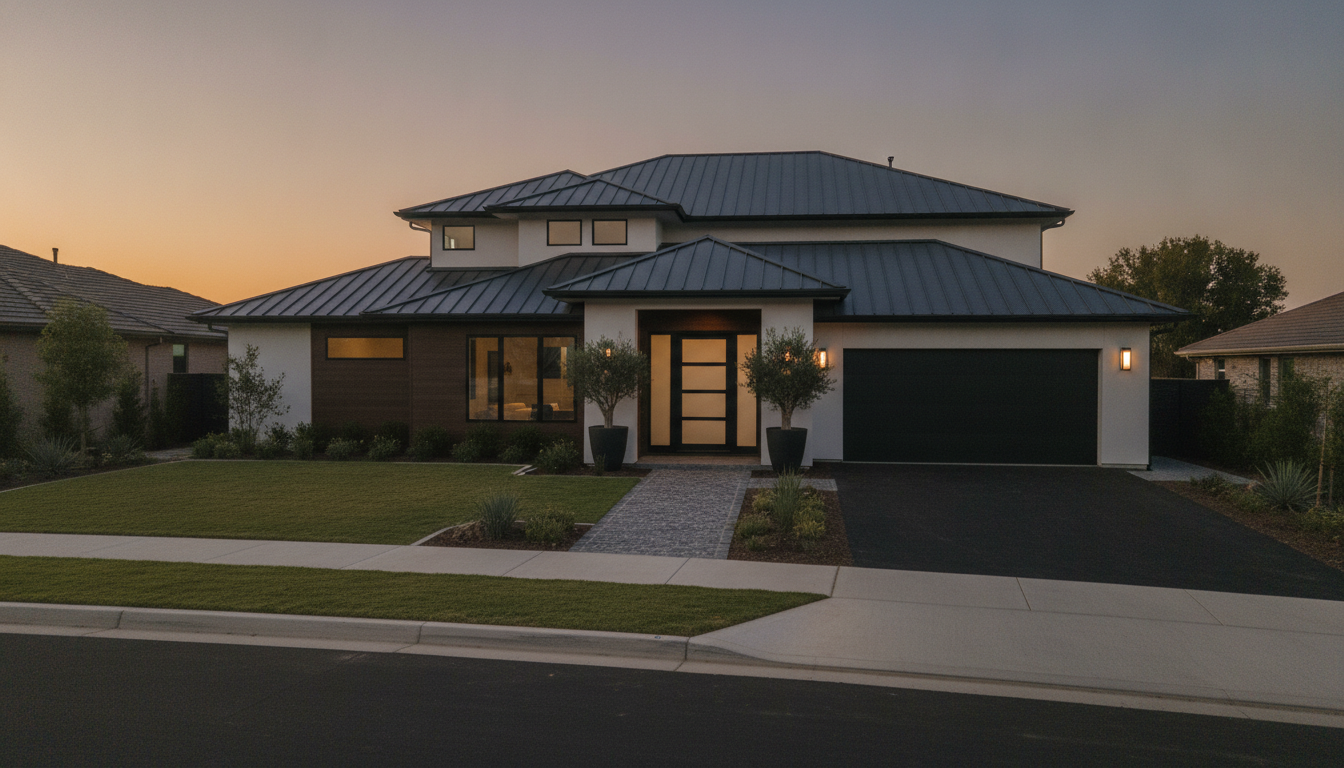
Architects often refer to the “40% rule,” noting that on many two-story or high-pitch homes, the roof surface area visible from the street is nearly equal to the visible siding. This means that the texture, color, and condition of your roofing materials are just as important as your choice of paint or stone veneer. An upgrade to architectural shingles or standing-seam metal doesn’t just protect the interior; it redefines the home’s silhouette and presence.
Material Science: Elevating Aesthetics Through Innovation
The transition from traditional 3-tab shingles to modern luxury materials has revolutionized the The Roof-to-Curb-Appeal Connection: The Upgrade You Didn’t Know You Needed. Homeowners now have access to materials that mimic natural elements while offering superior durability.
- Architectural (Laminated) Shingles: Unlike flat 3-tab shingles, these are composed of multiple layers of asphalt. They create a dimensional, wood-shake look that adds depth and shadow lines to the roof.
- Metal Roofing: Once reserved for commercial or rural buildings, modern residential metal roofing offers sleek lines and a variety of finishes (matte, metallic, or textured) that complement contemporary and farmhouse styles alike.
- Synthetic Slate and Shake: These polymer-based products provide the prestigious look of heavy slate or hand-split cedar without the extreme weight or maintenance requirements, significantly boosting the home’s “luxury” perception.
- Clay and Concrete Tiles: Essential for Mediterranean or Mission-style homes, these materials provide a permanent, high-end look that is synonymous with durability and architectural intent.
Color Theory and the Psychology of First Impressions
Color is perhaps the most immediate factor in the The Roof-to-Curb-Appeal Connection: The Upgrade You Didn’t Know You Needed. The right roof color can harmonize disparate elements of a home’s exterior, while the wrong color can make a house look top-heavy or dated.
Matching Undertones
A professional roofing upgrade considers the undertones of the home’s permanent features, such as brickwork or stone foundations. If a home has warm-toned bricks (reds, oranges), a cool gray roof may clash. Conversely, a warm brown or weathered wood shingle can tie the aesthetic together. Modern roofing manufacturers now offer “variegated” color palettes that blend multiple shades, allowing the roof to pick up various colors from the surrounding landscape and siding.
The Impact of Light Reflectance Value (LRV)
Beyond beauty, the color of a roof affects its thermal performance. Light-colored roofs (cool roofs) reflect more sunlight, which can reduce cooling costs. From a curb appeal perspective, a lighter roof can make a small home appear larger and more airy, whereas a dark roof can provide a sense of groundedness and sophistication to a large, sprawling estate.
The Financial Analysis: ROI and Marketability
Investing in the The Roof-to-Curb-Appeal Connection: The Upgrade You Didn’t Know You Needed is a strategic financial move. In a buyer’s market, the roof is often the first thing an inspector or a savvy buyer looks at. A roof that looks new and stylish signals that the home has been meticulously maintained, reducing “buyer friction.”
Comparative ROI Table
The following table illustrates the typical impact of various roofing upgrades on home value and curb appeal.
| Material Type | Estimated Lifespan | Curb Appeal Impact | Approximate ROI |
|---|---|---|---|
| 3-Tab Asphalt | 15-20 Years | Low | 50-55% |
| Architectural Shingles | 25-30 Years | High | 60-70% |
| Standing Seam Metal | 50+ Years | Very High | 85-95% |
| Synthetic Slate | 50+ Years | Premium | 70-80% |
| Natural Slate/Tile | 75+ Years | Elite | 65-75% |
Addressing the “Hidden” Killers of Curb Appeal
Curb appeal isn’t just about what you add; it is about what you remove. Aging roofs often suffer from unsightly issues that subtly diminish a home’s beauty. The The Roof-to-Curb-Appeal Connection: The Upgrade You Didn’t Know You Needed involves eliminating these visual detractors.
Gloeocapsa Magma (Black Streaks)
Those black streaks often seen on North-facing roof slopes are actually a hardy form of algae. They feed on the calcium carbonate in asphalt shingles. While they may not cause immediate structural failure, they make a roof look old, dirty, and neglected. Modern upgrade shingles often come with copper or zinc granules that inhibit algae growth for 10-25 years, ensuring the curb appeal lasts.
Granule Loss and “Bald Spots”
As shingles age, they lose their ceramic-coated granules. This results in shiny or dark patches where the asphalt substrate is exposed. This uneven texture is a major red flag to onlookers. A new roof provides a uniform, crisp texture that reflects light evenly, providing that “new home” glow.
The Role of Components: Gutters, Flashing, and Ventilation
A true upgrade to the The Roof-to-Curb-Appeal Connection: The Upgrade You Didn’t Know You Needed includes the peripheral components. Even the most beautiful shingles will be undercut by sagging, rusted gutters or bulky, unsightly vents.
- Seamless Gutters: Upgrading to k-style or half-round seamless gutters in a color that matches the trim provides a clean frame for the roof.
- Low-Profile Ventilation: Replacing old “whirlybird” vents with ridge vents creates a smooth, uninterrupted roofline that is much more pleasing to the eye.
- High-Quality Flashing: Using copper or color-matched aluminum flashing around chimneys and valleys adds a touch of craftsmanship that suggests premium quality.
Frequently Asked Questions
1. How much does a new roof actually increase home value?
While it varies by region, a new roof typically adds $12,000 to $20,000 to a home’s resale value, often covering a significant portion of the installation cost while significantly shortening the time the home stays on the market.
2. Can I change the color of my roof to improve curb appeal?
Absolutely. Changing the color is one of the most effective ways to modernize a home. It is recommended to use digital roof visualizers provided by manufacturers to see how different shades will look against your existing siding and trim.
3. Are metal roofs considered “high curb appeal” for traditional homes?
Yes. Modern metal roofing comes in profiles that mimic wood shakes or even clay tiles. Standing seam metal is also increasingly popular in traditional neighborhoods for its clean, high-end architectural look.
4. Does a new roof help with insurance premiums?
In many cases, yes. A new roof with impact-resistant shingles or fire-resistant materials can lead to lower homeowners insurance premiums, which is an additional selling point for future buyers.
5. What is the best material for maximum curb appeal?
This depends on the architectural style of your home. However, architectural asphalt shingles offer the best balance of cost and visual depth, while synthetic slate offers the highest “luxury” impact for the investment.
Conclusion
The The Roof-to-Curb-Appeal Connection: The Upgrade You Didn’t Know You Needed is a fundamental shift in how we perceive home improvement. By viewing the roof not just as a functional shield but as a primary design element, homeowners can unlock massive potential in their property’s aesthetic and financial value. Whether it is through the dimensional texture of architectural shingles, the sleek modernity of metal, or the strategic use of color theory, a roofing upgrade is the most impactful exterior change you can make. It is an investment in protection, pride of ownership, and a lasting first impression that resonates from the curb to the front door.