1500 Medical Center Parkway Murfreesboro, TN 37129
 info@prymeexteriors.com

Introduction
In the high-stakes world of commercial real estate, the roof is often a case of “out of sight, out of mind.” However, this philosophy is a dangerous gamble that can lead to catastrophic financial consequences. How Deferred Roof Maintenance Impacts a Commercial Property’s Long-Term Value is not merely a question of repair costs; it is a fundamental issue of asset preservation, risk management, and investment yield. Industry data suggests that a well-maintained commercial roof can last 25 years or more, while a neglected one may fail in as little as 10 to 12 years. As commercial properties are valued based on their Net Operating Income (NOI) and overall physical condition, the state of the roofing system plays a pivotal role in the capitalization rate applied during an appraisal. This article provides a deep-dive analysis into why deferring roof maintenance is one of the most expensive mistakes a property owner or facility manager can make.
The Economic Reality of Deferred Maintenance
Deferred maintenance refers to the practice of postponing infrastructure repairs to save costs in the short term. While this might improve a quarterly balance sheet, it creates a mounting liability known as the “maintenance debt.” For commercial roofs, this debt accrues high interest in the form of accelerated deterioration. When a minor leak is ignored, it doesn’t stay minor. Water infiltrates the insulation, attacks the structural deck, and promotes the growth of hazardous biological contaminants. By the time the damage becomes undeniable, the cost to remediate is often five to ten times higher than the original maintenance task.
The Rule of 1:10:100
In facilities management, experts often cite the 1:10:100 rule. One dollar spent on preventative maintenance today prevents ten dollars in corrective repairs tomorrow, which in turn prevents one hundred dollars in total replacement and collateral damage costs down the line. When applied to a 50,000-square-foot commercial facility, a $2,000 annual inspection and cleaning program could save the owner $200,000 in premature replacement costs and $1,000,000 in potential interior damage and business interruption losses.
Impact on Property Valuation and Cap Rates
Commercial property value is intrinsically linked to the income it generates and the risk associated with that income. When an investor or an appraiser looks at a property with a failing or neglected roof, they see a significant capital expenditure (CapEx) looming on the horizon. This risk is reflected in the Capitalization Rate (Cap Rate). A property with a brand-new or perfectly maintained roof might trade at a 6% cap rate, whereas a property with a deferred maintenance backlog might be hit with a 7% or 8% cap rate to account for the risk. This shift can result in a loss of millions of dollars in valuation.
The Appraisal Process and Due Diligence
During the due diligence phase of a property sale, a Property Condition Assessment (PCA) is performed. If the inspector identifies significant deferred roof maintenance, the buyer will likely use this as a “re-trading” point. They will demand a price reduction that exceeds the actual cost of the roof replacement to cover their risk and the hassle of managing the project. In many cases, deferred maintenance can kill a deal entirely because lenders are hesitant to finance assets with major structural liabilities.
Structural Integrity and Collateral Damage
A commercial roof is a complex system involving membranes, insulation, vapor retarders, and structural decking. Deferred maintenance allows water—the universal solvent—to enter this system. Once water is trapped within the roofing assembly, it triggers several destructive processes:
- Insulation Compression: Wet insulation loses its R-value and structural density, leading to higher energy bills and a “spongy” roof surface that is prone to further damage.
- Deck Corrosion: Whether the deck is steel, wood, or concrete, constant moisture leads to rust, rot, or spalling, which compromises the building’s structural safety.
- Mold and Mildew: Moisture in the plenum space above the ceiling creates an ideal environment for mold, which leads to massive environmental remediation costs and health liabilities.
Comparative Analysis: Proactive vs. Reactive Maintenance
The following table illustrates the stark difference in financial and operational outcomes between a proactive maintenance strategy and a deferred (reactive) approach over a 20-year period for a typical 20,000 sq. ft. TPO roof.
| Feature | Proactive Maintenance | Deferred (Reactive) Maintenance |
|---|---|---|
| Inspection Frequency | Bi-Annual (Spring/Fall) | Only when leaks occur |
| Average Annual Cost | $1,500 – $3,000 | $0 (Years 1-5), $15,000+ (Years 6-12) |
| Roof Lifespan | 25 – 30 Years | 12 – 15 Years |
| Energy Efficiency | High (Insulation stays dry) | Low (Wet insulation loses R-value) |
| Replacement Cost | Planned & Budgeted | Emergency & Inflated |
| Property Value | Maintained/Appreciated | Significant Discount (5-10%) |
Energy Efficiency and Operational Expenses
Modern commercial roofs are designed to be part of the building’s thermal envelope. Reflective surfaces (Cool Roofs) and high-performance insulation reduce the load on HVAC systems. When maintenance is deferred, the reflective coatings may wear away, or the insulation may become saturated. Wet insulation can lose up to 80% of its thermal resistance. This forces the building’s heating and cooling systems to work harder, leading to:
- Increased monthly utility bills.
- Shortened HVAC equipment lifespan due to overwork.
- Decreased occupant comfort, leading to tenant turnover.
Legal Liabilities and Tenant Relations
For many commercial property owners, the greatest risk of deferred roof maintenance is not the roof itself, but what is under it. In a triple-net (NNN) lease, the landlord is typically responsible for the roof and structure. If a neglected roof leaks and damages a tenant’s inventory, electronic equipment, or furniture, the landlord may be held liable for the damages. Furthermore, Business Interruption claims can be devastating. If a retail store or a data center has to close for a week due to roof-related water damage, the lost revenue claims can dwarf the cost of a new roof. Maintaining the roof is a critical component of fulfilling the “covenant of quiet enjoyment” promised in commercial leases.
The High Price of Emergency Repairs
When you wait for a roof to fail, you lose the ability to choose your timing and your contractor. Emergency repairs are significantly more expensive because:
- Labor Rates: Emergency call-outs often involve overtime or holiday pay.
- Material Availability: You may have to pay a premium for materials that are in stock rather than shopping for the best price.
- Limited Scope: Emergency patches are often “band-aids” that don’t address the root cause, leading to repeated service calls.
By contrast, a planned maintenance program allows for competitive bidding and scheduling during off-peak seasons, ensuring the best possible price and quality of work.
Proactive Strategies for Long-Term Value
To protect the long-term value of a commercial asset, owners should implement a Comprehensive Roof Management Program. This includes:
1. Bi-Annual Inspections
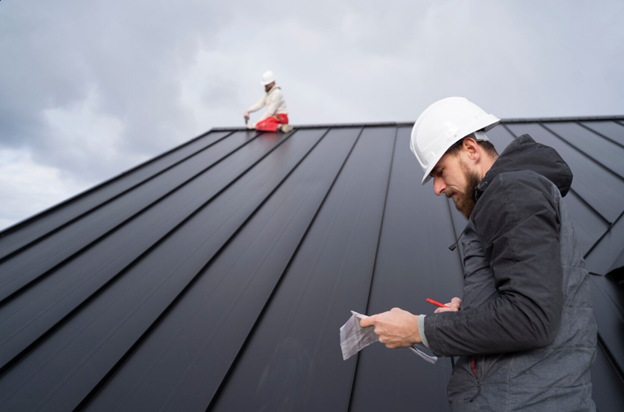
Professional inspections should occur in the spring (after the harsh winter) and the fall (before the snow/rain season). These inspections identify clogged drains, failing seams, and mechanical damage from other trades.
2. Debris Removal and Drainage Cleaning
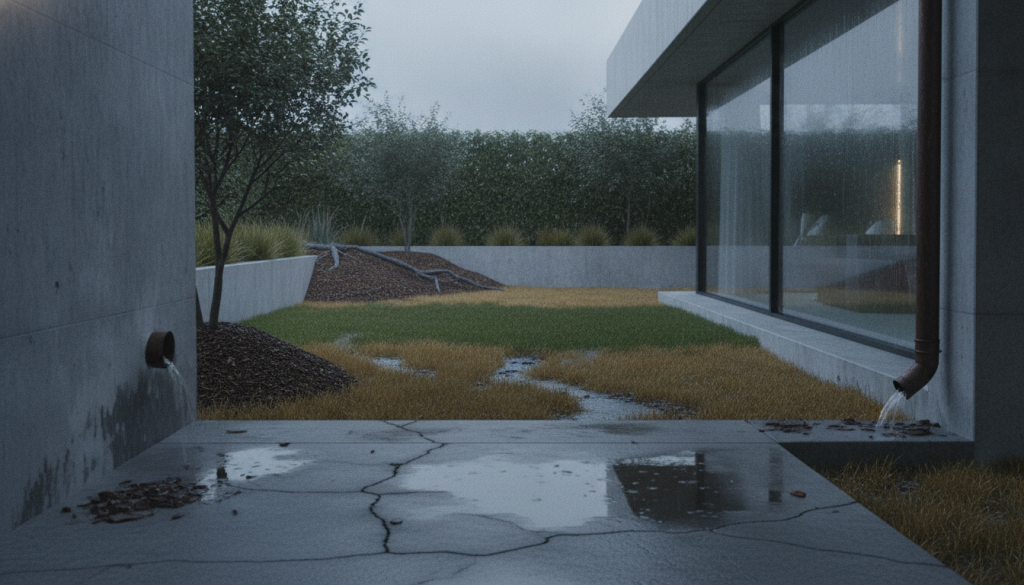
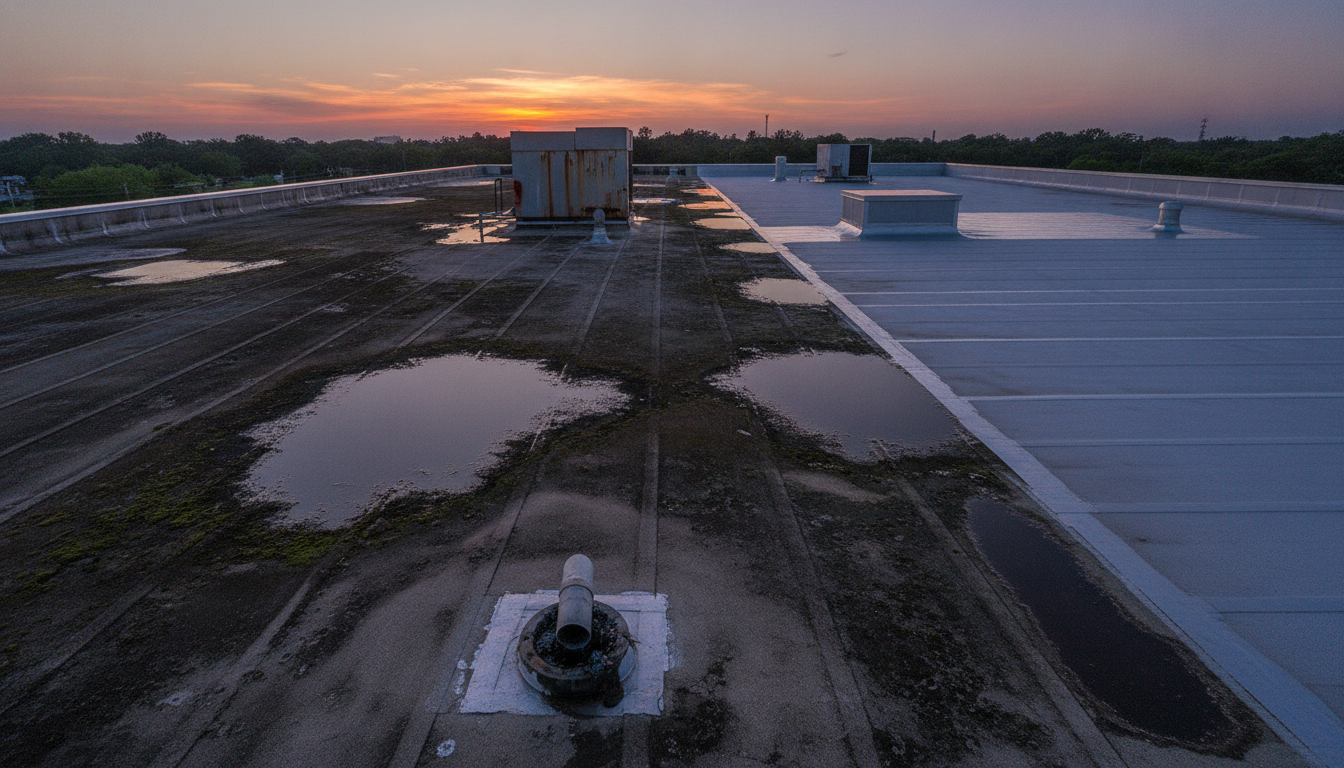
Clogged scuppers and drains are the leading cause of roof ponding. Standing water is the primary enemy of any roofing membrane, adding immense weight and accelerating UV degradation.
3. Detailed Record Keeping
Maintaining a digital file of all inspections, repairs, and warranties is essential for property valuation. When it comes time to sell, providing a prospective buyer with a 10-year history of proactive maintenance builds immense trust and justifies a premium price.
4. Moisture Surveys
Infrared thermography can detect trapped moisture under the membrane before it’s visible to the naked eye. Identifying and replacing small sections of wet insulation can prevent the need for a full roof tear-off.
Frequently Asked Questions
How often should a commercial roof be inspected?
At a minimum, commercial roofs should be inspected twice a year. Additionally, an inspection should occur after any major weather event, such as a hailstorm or high-wind event, to ensure no new damage has occurred that could void the warranty.
Can I just coat a neglected roof to save money?
Roof coatings are excellent maintenance tools, but they are not a fix for a failed roof. If the underlying insulation is wet or the deck is compromised, applying a coating will trap the moisture and accelerate the rot. A moisture survey is required before any coating application.
Does deferred maintenance void my roof warranty?
Yes. Almost all commercial roofing warranties require the owner to perform regular maintenance. If you cannot provide proof of annual or bi-annual inspections and cleaning, the manufacturer may deny a claim for a leak or premature failure.
How does a bad roof affect my property’s insurance?
Insurance companies are increasingly performing their own inspections. If a roof is deemed to be in poor condition due to neglect, the carrier may increase premiums, exclude water damage coverage, or cancel the policy entirely, which can trigger a default on your mortgage.
What are the signs that my roof maintenance has been deferred too long?
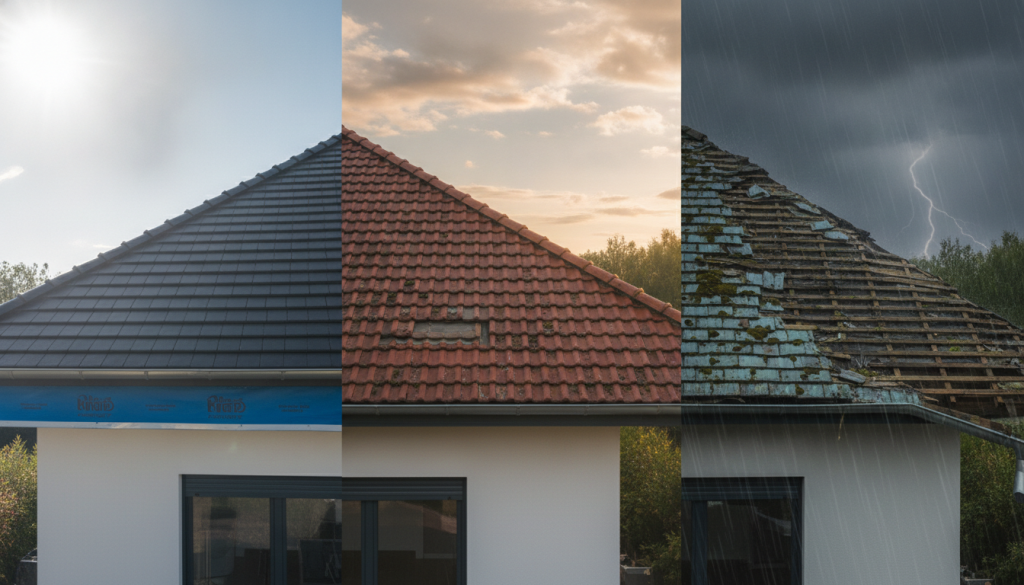
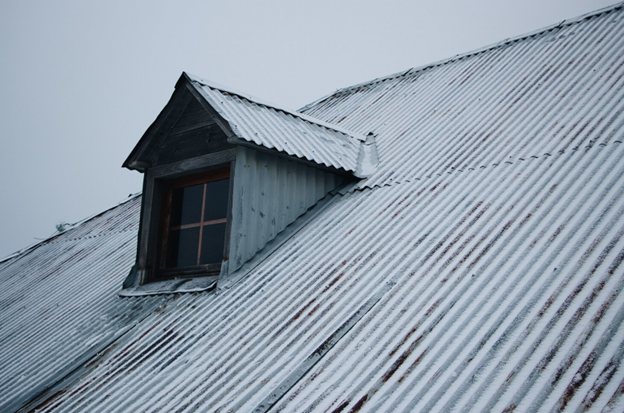
Key indicators include persistent interior leaks, mold odors, visible sagging of the roof deck, cracked or brittle membranes, and significant vegetation growth in gutters or on the roof surface itself.
Conclusion
The impact of How Deferred Roof Maintenance Impacts a Commercial Property’s Long-Term Value is clear: it is a path to financial erosion. While skipping a $2,500 inspection might seem like a saving, the resulting loss in property valuation, increased operational costs, and potential legal liabilities can reach into the hundreds of thousands or even millions of dollars. A roof is not just a covering; it is a critical financial component of your real estate investment. By transitioning from a reactive to a proactive maintenance mindset, commercial property owners can maximize their ROI, ensure tenant satisfaction, and preserve the structural integrity of their assets for decades to come. Professional roof management is not a cost; it is an investment in the future of the property.