1500 Medical Center Parkway Murfreesboro, TN 37129
 info@prymeexteriors.com

Introduction: The Intersection of Commercial Architecture and Consumer Psychology
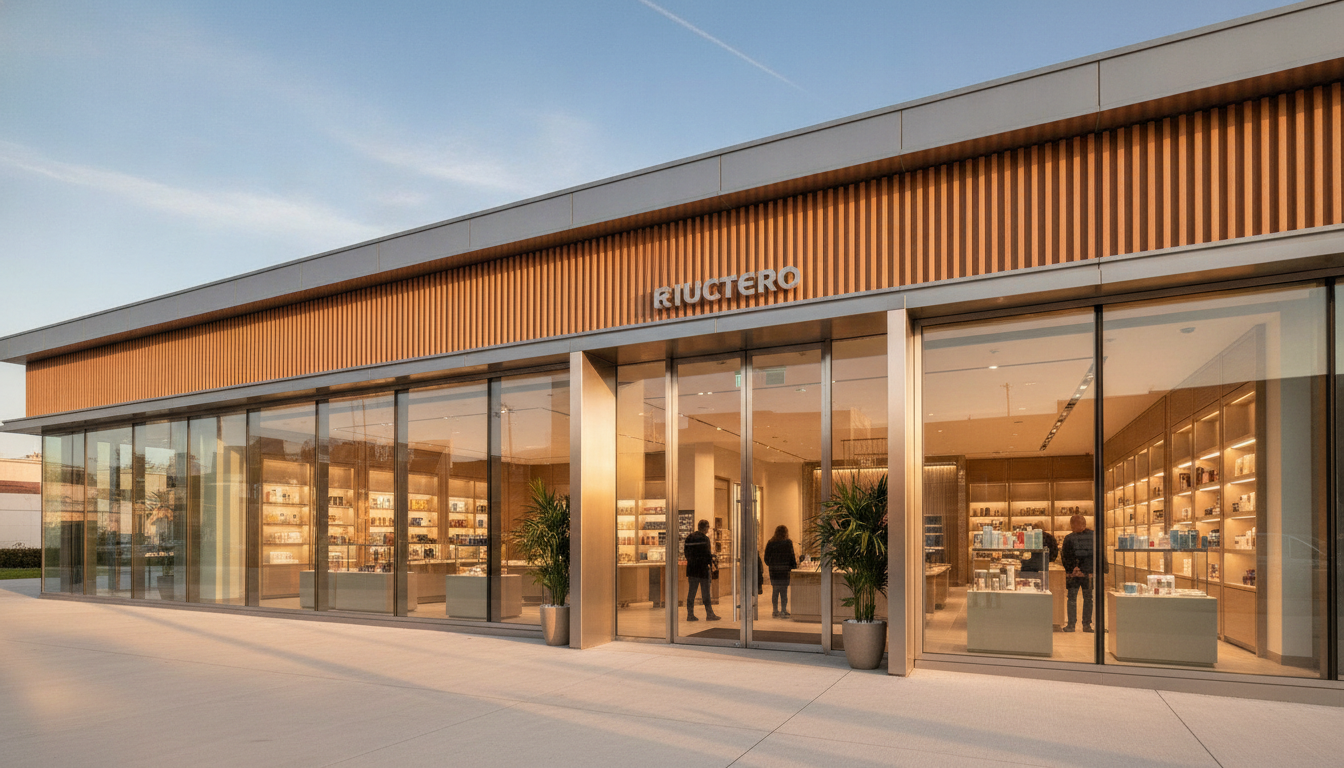
In the competitive landscape of modern retail, the physical environment serves as a silent spokesperson for a brand’s values, reliability, and commitment to quality. While marketing teams spend millions on digital presence and interior merchandising, the exterior envelope of a building—specifically the roofing system and facade—often dictates the initial psychological contract between a consumer and a business. The question of How Building Appearance Influences Customer Trust in Retail Spaces is not merely an aesthetic concern; it is a fundamental driver of foot traffic, dwell time, and overall brand equity. In the commercial roofing industry, we recognize the roof as the ‘fifth facade,’ a critical component that signals structural integrity and professional standards before a customer even crosses the threshold.
The Science of First Impressions: The Halo Effect in Retail
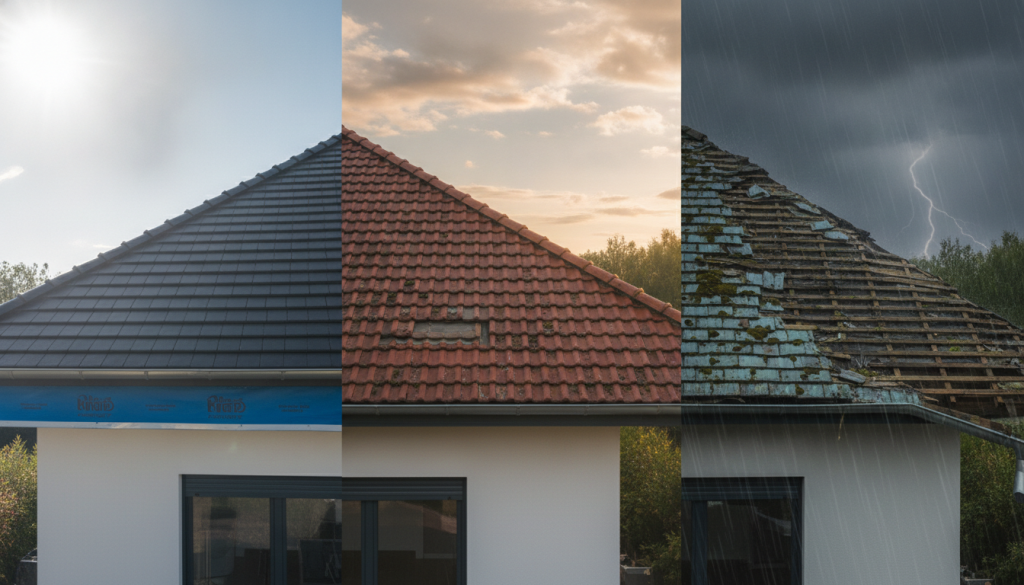
Psychologically, humans are wired to make rapid assessments based on visual cues. This is known as the ‘Halo Effect,’ a cognitive bias where our overall impression of a person or entity influences how we feel and think about their character in other areas. When a retail space presents a well-maintained exterior, featuring a clean, modern, and structurally sound roof, customers subconsciously attribute positive traits to the business, such as attention to detail, financial stability, and high product quality. Conversely, a building with visible roof leaks, staining, or sagging gutters creates an immediate sense of ‘disgust’ or ‘danger’—primal triggers that cause potential shoppers to seek alternatives where they feel safer and more valued.
The Structural Integrity of Trust: Why the Roof Matters Most
While windows and signage are at eye level, the roof is the primary protector of the retail environment. Its condition speaks volumes about the business’s operational health. A dilapidated roof suggests a lack of capital or, worse, a lack of care for the customer’s safety. In retail, trust is fragile; it is built on the promise of a safe, comfortable, and premium experience. If a customer spots water spots on the ceiling or hears the rhythmic drip of a leak into a plastic bucket, the illusion of retail excellence is shattered.
Visual Cues of Professionalism
A professional commercial roofing system—whether it be a high-reflectivity TPO membrane, a sleek standing-seam metal roof, or a classic architectural shingle—communicates that the business is invested in its long-term presence. This permanence is a key factor in How Building Appearance Influences Customer Trust in Retail Spaces. Customers are more likely to return to a business that appears to be a permanent fixture in the community rather than a transient operation that cannot afford basic maintenance.
Data Analysis: The Economic Impact of Exterior Maintenance
The correlation between building appearance and financial performance is supported by industry data. Retailers who invest in regular exterior renovations and roof maintenance see a direct impact on their bottom line. Below is a comparison of customer perception metrics based on building condition.
| Exterior Condition Attribute | Impact on Foot Traffic | Perceived Product Value | Customer Retention Rate |
|---|---|---|---|
| Premium/Maintained | +25% Increase | High (Premium Pricing Possible) | 85% – 90% |
| Average/Functional | Baseline | Standard/Competitive | 60% – 70% |
| Neglected/Visible Damage | -40% Decrease | Low (Discounted Expectation) | Less than 30% |
This table illustrates that the cost of roofing maintenance is not merely an expense but a strategic investment in customer acquisition and retention. When the exterior is neglected, the cost of lost business often far exceeds the cost of a roof replacement or professional repair.
The Psychological Impact of Color and Material Choice
In the context of How Building Appearance Influences Customer Trust in Retail Spaces, the choice of roofing materials and colors plays a nuanced role in branding. For instance, a dark, weathered roof can make a building appear smaller and more oppressive, whereas a light-colored, energy-efficient ‘cool roof’ can make the structure appear modern and environmentally conscious. Modern consumers, particularly Millennials and Gen Z, place a high premium on sustainability. A retail space that utilizes eco-friendly roofing materials signals a commitment to corporate social responsibility (CSR), which is a major trust-builder in the current market.
Materiality and Brand Alignment
- Metal Roofing: Conveys durability, modernity, and high-end industrial sophistication. Often used by luxury brands to signal strength.
- Single-Ply Membranes (TPO/EPDM): Suggests efficiency, cleanliness, and a focus on modern technology.
- Traditional Shingles: Evokes a sense of community, warmth, and accessibility—ideal for local boutiques or neighborhood markets.
The Hidden Danger: How Roof Neglect Erodes Brand Equity
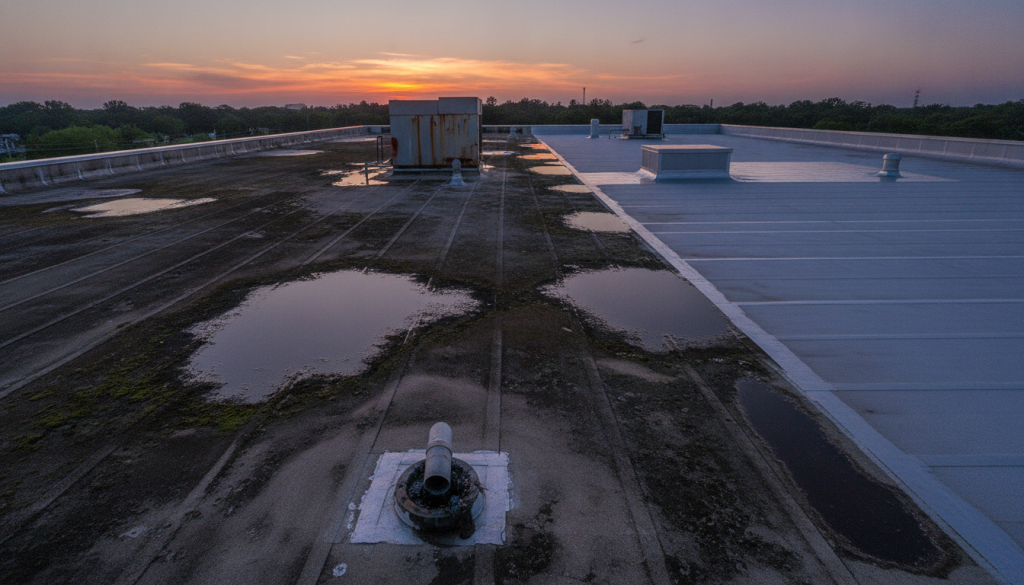
Roofing issues are rarely contained to the exterior. A failing roof leads to internal problems that directly impact the customer experience. Mold growth, damp odors, and peeling paint are all symptoms of roofing neglect. These issues create a ‘toxic’ atmosphere that drives customers away and can even lead to health code violations. In the digital age, a single photo of a leaking retail ceiling posted to social media can cause irreparable damage to a brand’s reputation. Trust that took years to build can be lost in a single viral moment of structural failure.
The Role of Preventative Maintenance in Trust Building
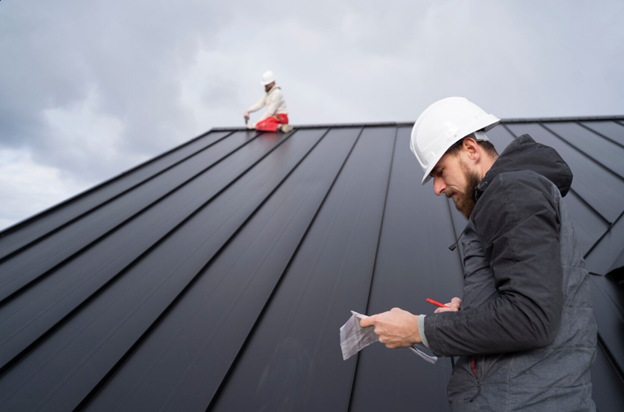
Proactive maintenance is the hallmark of a successful retail operation. By engaging in biannual roof inspections and immediate repairs, property managers ensure that the building’s ‘first impression’ remains impeccable. This consistency is what builds long-term trust. When a building looks the same—clean, sturdy, and well-kept—year after year, it reinforces the message that the brand is reliable and here to stay.
How Building Appearance Influences Customer Trust in Retail Spaces: A Lead-Oriented Perspective
For property owners and retail managers, understanding the link between aesthetics and trust is the first step toward optimizing their assets. Investing in a professional roofing partner is not just about keeping the rain out; it is about protecting the brand’s image. A high-quality roof acts as a shield for your inventory, your employees, and your reputation. When you prioritize the exterior of your building, you are telling your customers that you value their experience and their safety above all else.
Key Indicators That Your Building is Losing Customer Trust
- Visible staining or ‘tiger-striping’ on the roof or gutters.
- Debris accumulation on the roofline that is visible from the parking lot.
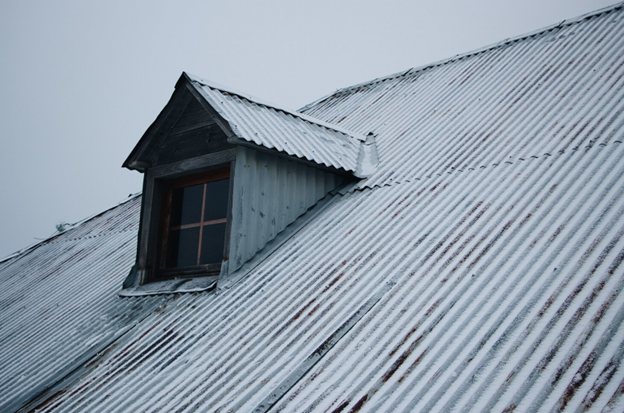
- Faded or oxidizing metal roofing panels.
- Visible ponding water or sagging areas on flat roof sections.
- Vegetation growth in gutters or on the roof surface.
Frequently Asked Questions
1. Does a new roof actually increase retail sales?
While a roof alone doesn’t sell products, it significantly increases foot traffic and ‘perceived value.’ Studies show that customers are willing to pay up to 10-15% more for products in a building that looks high-end and well-maintained compared to one that looks neglected.
2. How often should a retail roof be inspected to maintain its appearance?
Professional roofing contractors recommend at least two inspections per year—typically in the spring and fall. This ensures that any debris, staining, or minor damage is addressed before it becomes a visible eyesore that could deter customers.
3. Can the color of my roof affect customer mood?
Yes. Light-colored roofs can make a space feel more open and airy, while dark roofs can feel more grounded. More importantly, a roof that matches the brand’s color palette creates a cohesive visual identity that enhances brand recognition and trust.
4. What is the most ‘trustworthy’ looking roofing material for a retail store?
Metal roofing and high-quality TPO are currently seen as the most ‘trustworthy’ because they look clean, modern, and permanent. However, the best material is one that is properly maintained and matches the architectural style of the surrounding area.
5. How do I handle visible roof repairs without driving customers away?
Transparency is key. Using professional, branded scaffolding and signage that explains you are ‘Improving the Shopping Experience’ can actually build trust by showing customers that you are actively investing in the facility.
Conclusion: The Long-Term ROI of Aesthetic Integrity
In conclusion, How Building Appearance Influences Customer Trust in Retail Spaces is a multifaceted issue that touches on psychology, economics, and structural engineering. The roof of a retail building is far more than a functional necessity; it is a vital component of the brand’s visual communication strategy. By maintaining a clean, sturdy, and aesthetically pleasing exterior, retail businesses can foster an environment of safety and professionalism that encourages customer loyalty and drives revenue growth. Do not let a neglected roof be the reason your customers turn to a competitor. Invest in your building’s appearance today to secure your brand’s trust for the future. Professional roofing services are the foundation upon which retail excellence is built, ensuring that every first impression is a positive one.