1500 Medical Center Parkway Murfreesboro, TN 37129
 info@prymeexteriors.com


Introduction: The Evolution of the Building Envelope
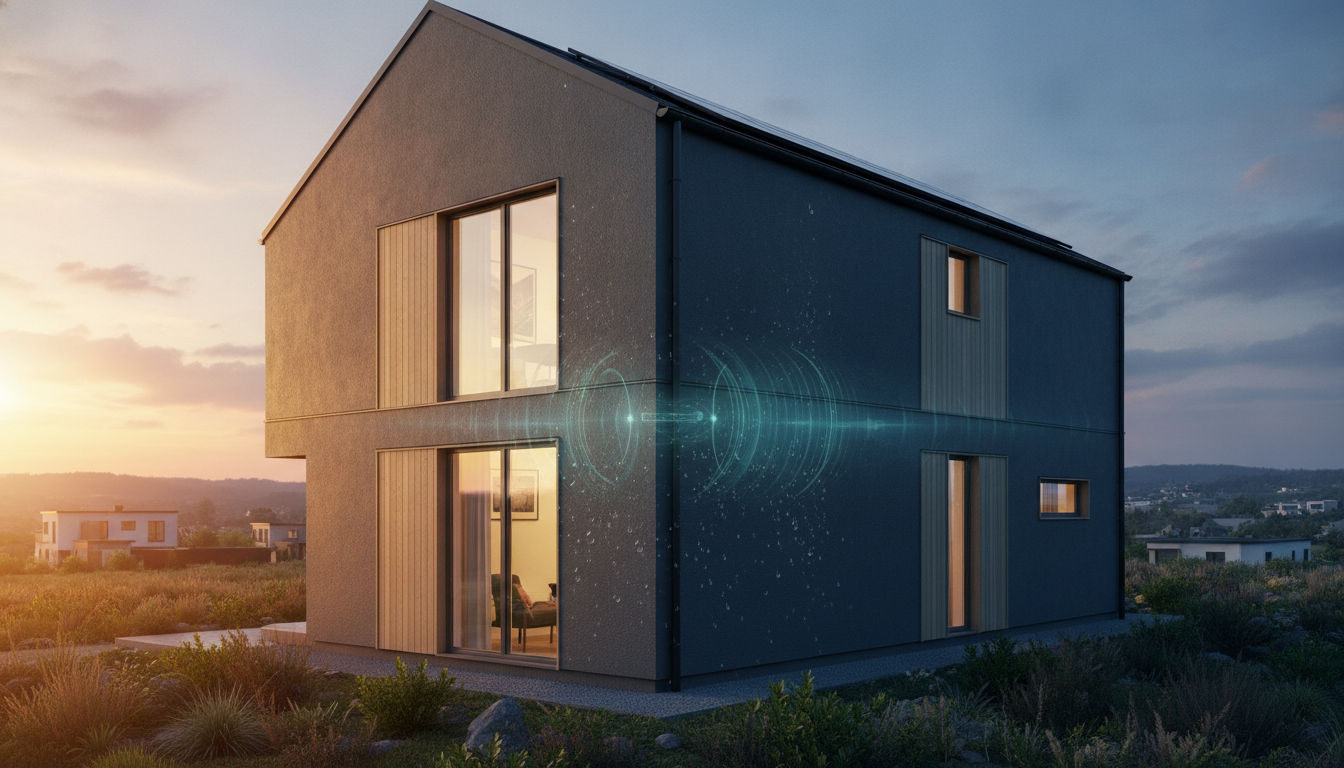
In the contemporary architectural landscape, the concept of a home’s exterior has shifted from mere aesthetics to a high-performance system known as the building envelope. At the heart of this system is siding. While roofing often takes center stage in discussions about home protection, How Modern Siding Contributes to Energy Efficiency and Home Protection is a critical topic for homeowners looking to maximize their investment and minimize their carbon footprint. Modern siding technology has advanced significantly over the past two decades, moving beyond simple wood planks or basic plastic panels to engineered systems designed to withstand extreme weather while providing a thermal barrier that keeps interior climates stable.
Today, siding is engineered to work in tandem with advanced house wraps, insulation, and roofing systems to create a seamless defense against the elements. This comprehensive guide explores the multifaceted benefits of modern siding, detailing how it serves as the first line of defense for your structural integrity and a primary driver for reducing monthly utility costs. By understanding the technical aspects of R-values, thermal bridging, and moisture management, homeowners can make informed decisions that ensure long-term durability and comfort.
The Science of Energy Efficiency in Modern Siding
Energy efficiency is no longer a luxury; it is a fundamental requirement for modern construction. Siding plays a pivotal role in a home’s thermal performance. Traditional siding materials often allowed for significant heat transfer, but modern innovations have introduced several layers of efficiency that directly impact energy consumption.
Understanding R-Value and Thermal Bridging
The R-value measures a material’s resistance to heat flow. The higher the R-value, the better the insulation. In many older homes, the wall studs act as “thermal bridges,” allowing heat to bypass the insulation inside the wall cavities and escape through the siding. This phenomenon can account for up to 25% of a home’s heat loss. Modern insulated siding solutions address this by adding a continuous layer of rigid foam insulation (typically Expanded Polystyrene or EPS) behind the siding panels. This breaks the thermal bridge, ensuring that heat remains inside during the winter and outside during the summer.
Reducing Air Infiltration
Air leakage is one of the leading causes of energy waste. Modern siding systems are designed with interlocking panels and precision-fit joints that significantly reduce air infiltration. When combined with a high-quality weather-resistive barrier (WRB) or house wrap, modern siding creates an airtight seal. This prevents drafts and ensures that the HVAC system does not have to work overtime to compensate for fluctuating temperatures caused by external air entering the living space.
Solar Heat Gain and Reflective Coatings
In warmer climates, solar heat gain can drive up cooling costs. Modern siding manufacturers now utilize advanced pigments and reflective coatings that bounce solar radiation away from the home. Darker colors, which traditionally absorbed heat, are now engineered with “cool roof” technology principles, allowing homeowners to choose bold aesthetics without sacrificing thermal performance.
Superior Home Protection: Safeguarding Structural Integrity
Beyond energy savings, siding is the primary shield protecting a home’s framing and interior from environmental damage. Modern materials are specifically engineered to combat the three primary threats to a home: moisture, pests, and impact.
Advanced Moisture Management
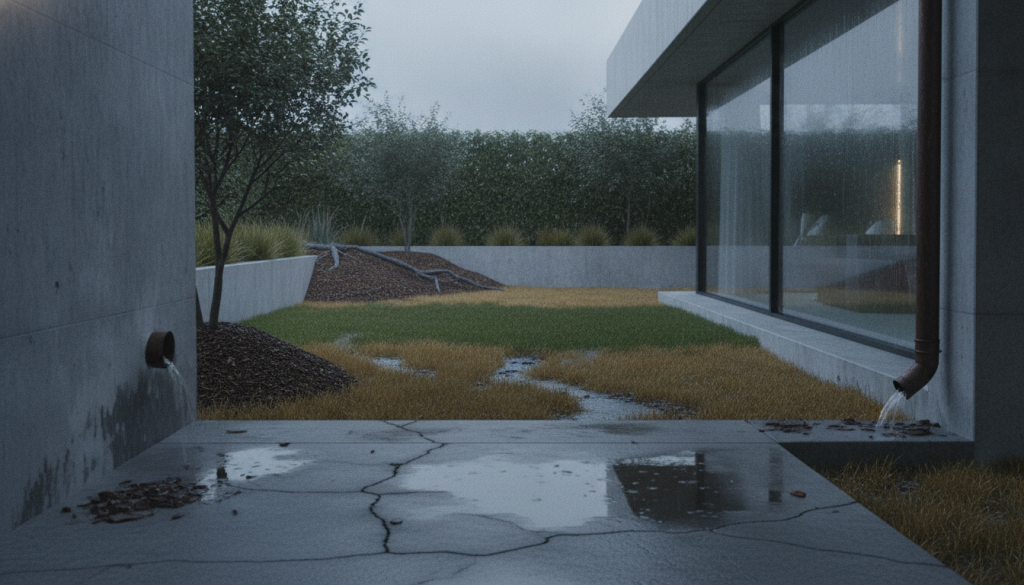
Water is the greatest enemy of any building structure. If moisture penetrates the exterior cladding, it can lead to wood rot, mold growth, and structural failure. Modern siding systems utilize the “Rain Screen” principle. This involves creating a small drainage plane or gap between the siding and the house wrap, allowing any moisture that manages to get behind the panels to drain away or evaporate safely. Furthermore, materials like fiber cement and engineered wood are treated with resins and binders that make them virtually impervious to water absorption.
Impact Resistance and Weather Durability
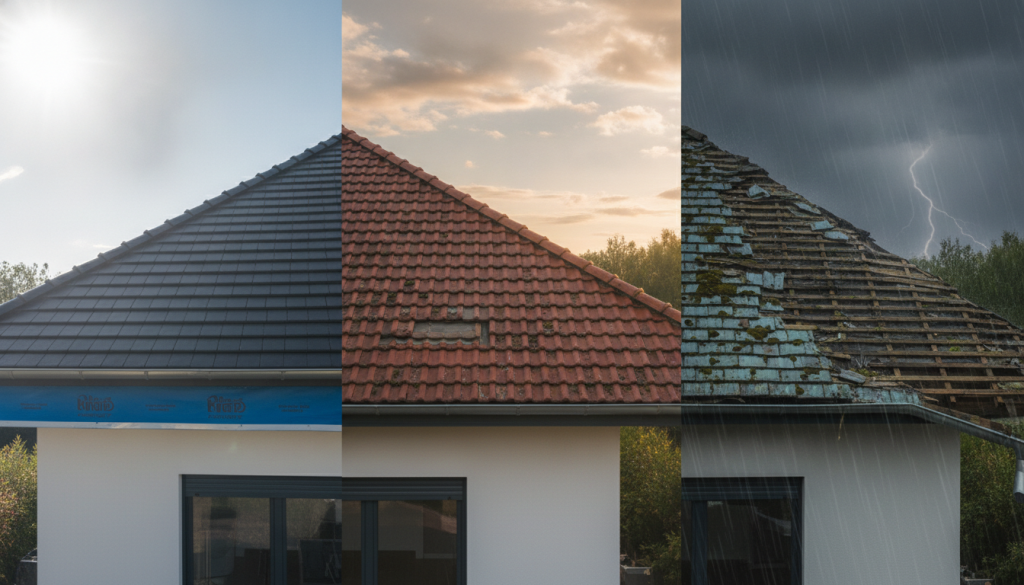
From high-velocity winds to hailstorms, the exterior of a home must be resilient. Modern vinyl and fiber cement siding are tested to withstand wind speeds of up to 150 mph or more. High-performance siding is also formulated to resist cracking and chipping during freeze-thaw cycles, which is a common point of failure for older, more brittle materials. This durability ensures that the protective barrier remains intact even after severe weather events, preventing secondary damage to the roof or foundation.
Fire Resistance and Safety
Fire safety is a critical component of modern home protection. Many modern siding options, particularly fiber cement, are non-combustible and carry a Class A fire rating. This means the siding will not ignite when exposed to direct flame and will not contribute fuel to a fire. In areas prone to wildfires, this level of protection can be the difference between a home being lost or saved.
Comparing Modern Siding Materials
To understand How Modern Siding Contributes to Energy Efficiency and Home Protection, one must look at the specific characteristics of the most popular materials on the market today. Each material offers a unique balance of thermal resistance and durability.
- Fiber Cement (e.g., James Hardie): Composed of cement, sand, and cellulose fibers. It is incredibly durable, fire-resistant, and does not rot or warp. Its density provides a solid barrier against impact.
- Insulated Vinyl: Features a layer of rigid foam backing. It offers the highest R-value among standard siding types and is excellent for improving energy efficiency in older homes.
- Engineered Wood (e.g., LP SmartSide): Treated with zinc borate and water-resistant waxes. It combines the aesthetic of real wood with the strength of modern polymers, offering high impact resistance.
- Metal Siding (Steel and Aluminum): Extremely long-lasting and recyclable. Modern metal siding is often coated with Kynar 500 resins to prevent fading and corrosion, providing a sleek, modern look with minimal maintenance.
Siding Performance Comparison Table
The following table illustrates how different siding materials compare across key performance metrics related to energy and protection.
| Material Type | Typical R-Value | Durability (Years) | Maintenance Level | Fire Resistance |
|---|---|---|---|---|
| Standard Vinyl | 0.6 – 0.9 | 20-30 | Low | Moderate |
| Insulated Vinyl | 2.0 – 3.5 | 30-50 | Low | Moderate |
| Fiber Cement | 0.5 – 0.8 | 50+ | Medium | Excellent (Class A) |
| Engineered Wood | 0.7 – 1.0 | 30-50 | Medium | Moderate |
| Metal (Steel) | 0.6 – 0.7 | 40-60 | Low | Excellent |
The Importance of Professional Installation
Even the most advanced siding material will fail if it is not installed correctly. Professional installation is the bridge between the product’s potential and its actual performance. Proper flashing around windows and doors, the correct tension of fasteners (to allow for thermal expansion), and the seamless integration with the roofing system are all vital steps. For example, if siding is nailed too tightly, it can buckle as it expands in the heat, creating gaps where water can enter. A professional contractor ensures that the entire building envelope is cohesive, maximizing both energy efficiency and protection.
Frequently Asked Questions
1. How does new siding improve my home’s resale value?
New siding is consistently ranked as one of the top home improvement projects for Return on Investment (ROI). According to industry data, homeowners can expect to recoup 70-80% of the cost in added home value. Furthermore, the increased curb appeal and documented energy savings make the home much more attractive to potential buyers.
2. Can I install insulated siding over my existing siding?
It is generally not recommended to install new siding over old layers. To achieve maximum energy efficiency and protection, the old siding should be removed so the underlying structure can be inspected for rot or damage. This also allows for the installation of a fresh, high-quality house wrap and proper flashing.
3. How do I know if my current siding is failing?
Signs of failure include warping, buckling, frequent need for repainting, visible mold or mildew, and unexplained increases in energy bills. If you notice soft spots in the wood or panels that have come loose, it is time to consult a professional to prevent structural damage.
4. Is fiber cement siding worth the extra cost?
Yes, especially for homeowners planning to stay in their home for more than 10 years. Its longevity, fire resistance, and low maintenance requirements often result in a lower total cost of ownership compared to cheaper materials that may need frequent repair or replacement.
5. Does siding color affect energy efficiency?
Yes. Lighter colors reflect more sunlight and are generally better for homes in hot, sunny climates. However, modern “cool pigment” technology allows even darker shades to remain relatively cool by reflecting infrared light, which is responsible for heat build-up.
Conclusion: A Strategic Investment in Your Home’s Future
Understanding How Modern Siding Contributes to Energy Efficiency and Home Protection is essential for any homeowner looking to upgrade their exterior. Modern siding is far more than a cosmetic update; it is a sophisticated engineering solution that addresses the core needs of a building: thermal regulation, moisture control, and structural defense. By selecting high-quality materials and ensuring professional installation, you are not just improving the look of your home—you are investing in its longevity, reducing your environmental impact, and securing your financial future through lower energy costs and increased property value. As weather patterns become more unpredictable and energy costs continue to rise, the protective and efficient qualities of modern siding have never been more important.