1500 Medical Center Parkway Murfreesboro, TN 37129
 info@prymeexteriors.com


Introduction
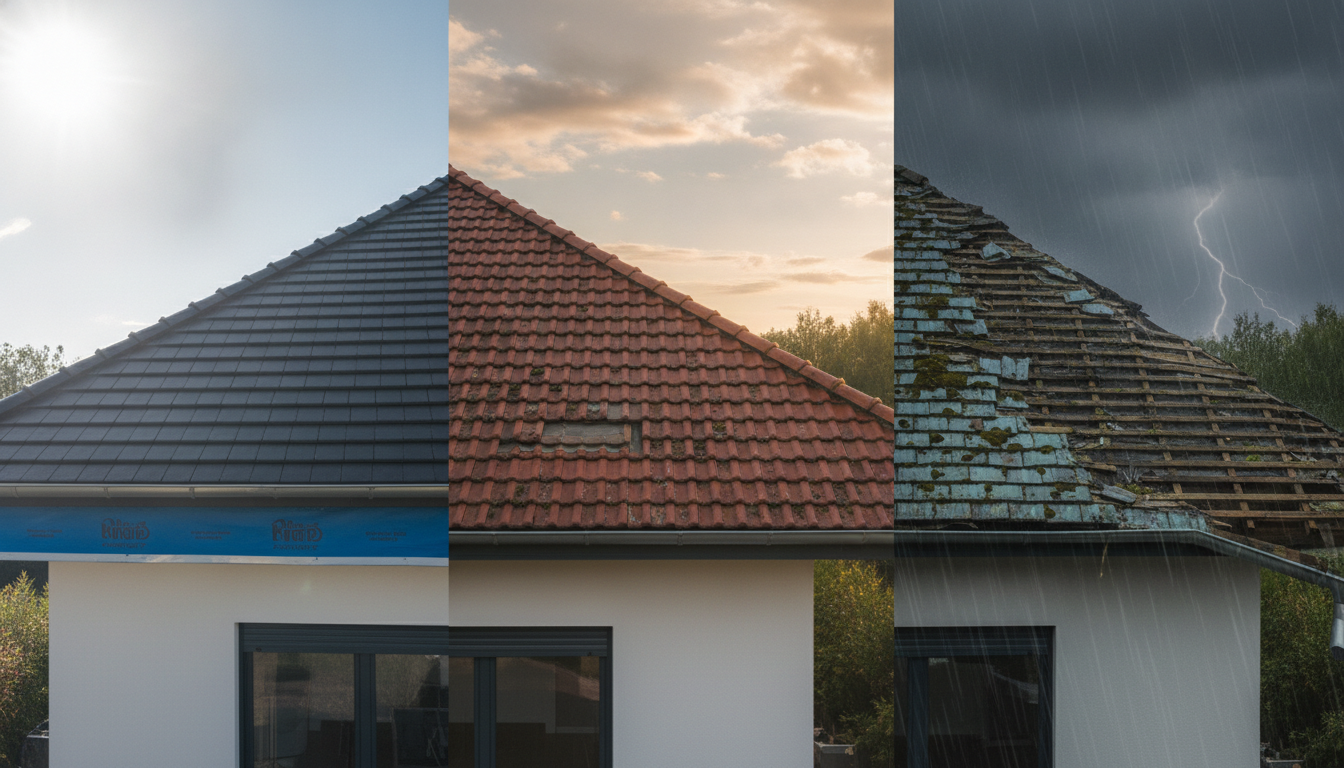
The residential roof is the most critical component of a home’s structural integrity, serving as the primary barrier against environmental stressors. Understanding the Lifecycle of a Residential Roof: What to Expect at Every Stage is not merely a matter of home maintenance; it is a sophisticated exercise in asset management. In the current real estate market, industry trends show an increasing emphasis on durable, sustainable roofing materials that offer high ROI and energy efficiency. As roofing technology evolves with the introduction of synthetic underlayments and cool-roof coatings, homeowners must navigate a complex timeline of degradation and upkeep. This guide provides a comprehensive deep-dive into the progression of a roof, from the initial installation to the inevitable replacement, ensuring you can make informed decisions at every milestone.
Stage 1: Professional Installation and the Infancy Period
The lifecycle of a roof begins long before the first shingle is nailed down. The installation phase is the most critical determinant of a roof’s total lifespan. During this stage, the focus is on structural synergy—ensuring that the deck, underlayment, flashing, and surface material work as a unified system.
The Importance of a Solid Foundation
A roof is only as good as the deck it sits on. During installation, contractors must inspect the plywood or OSB sheathing for signs of rot or delamination. Replacing compromised decking is non-negotiable, as it provides the necessary pull-out resistance for fasteners. Following the deck inspection, the application of a high-quality water and ice shield in valleys and around penetrations is essential for long-term waterproofing.
Initial Settling and Thermal Shock
In the first 12 to 24 months, a new roof undergoes a period of stabilization. As the home settles and the roofing materials are exposed to their first full cycle of seasons, thermal expansion and contraction occur. It is common to see minor granule loss in asphalt shingles during this time; this is simply excess material from the manufacturing process and is not a cause for alarm. However, professional installers should be monitored for ‘high nailing,’ which can lead to shingle slippage during this early phase.
Stage 2: The Formative Years (Years 2 to 8)
During the formative years, a well-installed roof should require minimal intervention. This is the period of peak performance where the aesthetic appeal is highest and the protective qualities are robust. However, this is also the stage where ‘silent’ issues can begin to take root if maintenance is neglected.
The Role of Ventilation
One of the most overlooked aspects of the roofing lifecycle is attic ventilation. During these middle-early years, poor ventilation can lead to ‘cooking’ the shingles from the inside out. Excessive heat buildup in the attic space accelerates the evaporation of volatile oils in asphalt shingles, leading to premature brittleness. A balanced system of intake and exhaust vents is required to maintain a temperature differential that protects the roof’s underside.
Routine Inspections and Preventative Care
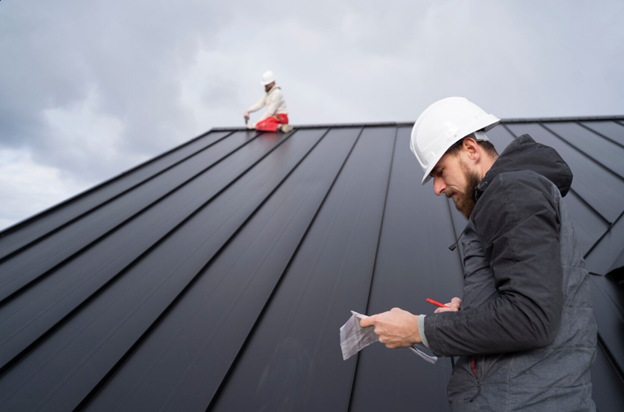
To maximize the lifecycle, homeowners should conduct bi-annual inspections. This involves checking for debris accumulation in valleys, ensuring gutters are clear to prevent water back-up, and inspecting the integrity of pipe boots and chimney flashing. Small cracks in sealant during this stage are easily fixed but can lead to significant interior damage if left unaddressed.
Stage 3: The Mid-Life Plateau (Years 9 to 15)
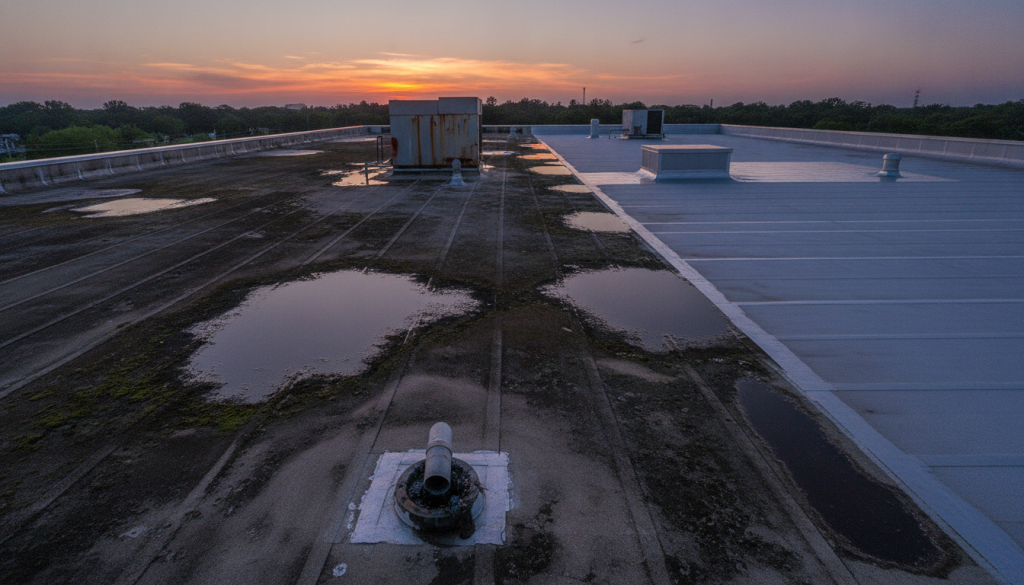
As the roof enters its second decade, the effects of UV radiation and mechanical weathering become more apparent. This stage is characterized by the gradual loss of the roof’s original flexibility and the emergence of biological growth.
UV Degradation and Granule Depletion
The sun is a roof’s greatest enemy. Over time, UV rays break down the bitumen (asphalt) that holds the protective granules in place. As granules wash away, the underlying asphalt is exposed to even more sun, creating a feedback loop of degradation. At this stage, you may notice ‘bald spots’ or thinning of the shingle profile.
Biological Growth: Moss, Algae, and Lichen
In humid or shaded environments, Gloeocapsa Magma (black algae) or moss may begin to appear. While algae are primarily an aesthetic concern, moss is structurally damaging. Moss retains moisture against the roof surface and can lift shingles, allowing water to penetrate the underlayment. Professional, non-pressure chemical cleaning is often recommended during this stage to preserve the roof’s integrity.
Roofing Material Lifespan Comparison Table
| Material Type | Estimated Lifespan | Maintenance Requirement | Primary Threat |
|---|---|---|---|
| 3-Tab Asphalt Shingles | 15-20 Years | Moderate | Wind uplift/UV rays |
| Architectural Shingles | 25-30 Years | Low to Moderate | Granule loss |
| Standing Seam Metal | 50-70 Years | Low | Fastener oxidation |
| Clay/Concrete Tile | 50-100 Years | Moderate (Underlayment focus) | Impact/Weight |
| Natural Slate | 75-150 Years | High (Specialist required) | Mechanical damage |
Stage 4: Maturity and the Transition to Replacement (Year 16+)
When a roof reaches maturity, the focus shifts from maintenance to replacement planning. For standard asphalt roofs, the 20-year mark often signals the end of reliable service. Understanding the signs of failure can prevent the catastrophic costs of structural water damage.
Identifying Critical Failure Points
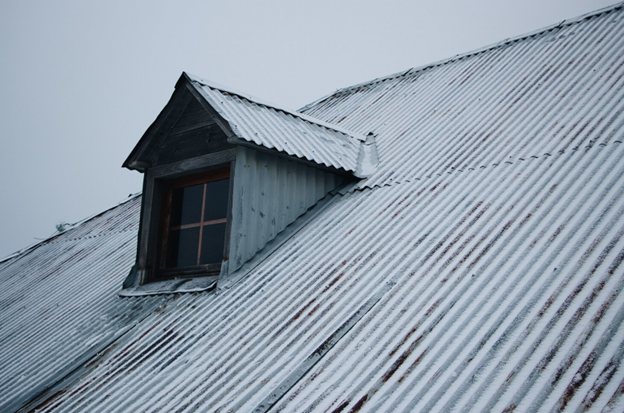
Homeowners should look for ‘cupping’ or ‘clawing’ of shingles, which indicates that the material has lost its structural oils and is shrinking. Significant granule accumulation in the gutters is another red flag. Inside the home, keep an eye out for water stains on the ceiling or walls, especially after heavy wind-driven rain, as this suggests that the underlayment has reached its saturation point or has cracked.
Repair vs. Replacement: The Economic Decision
In the late stages of a roof’s life, localized repairs become less cost-effective. If more than 20% of the roof requires repair, or if the shingles have become too brittle to accept new fasteners without cracking, a full replacement is the more financially sound option. Modern roofing systems offer significantly better wind ratings and energy efficiency than those manufactured two decades ago, providing an immediate upgrade to the home’s value.
Factors That Influence the Roofing Lifecycle
While materials have estimated lifespans, several variables can either extend or drastically shorten a roof’s life. Understanding these can help you better predict what to expect at every stage.
- Climate and Exposure: Homes in the ‘Hail Alley’ or coastal regions with high salt spray will see faster degradation than those in temperate, inland climates.
- Roof Pitch: Steeper roofs tend to last longer because they shed water and debris more efficiently, reducing the time the material stays wet.
- Color Choice: Darker shingles absorb more heat, which can lead to faster thermal degradation in hot climates compared to lighter, more reflective options.
- Quality of Workmanship: Even the most expensive slate can fail prematurely if the flashing is installed incorrectly.
Frequently Asked Questions
How often should I have my roof professionally inspected?
It is recommended to have a professional inspection every 2 to 3 years, and immediately following any major weather event such as a hailstorm or high-wind event.
Can I install a new roof over my old one to save money?
While ‘roof-overs’ are legal in some jurisdictions, they are generally discouraged. Adding a second layer traps heat, prevents the inspection of the decking, and often voids the manufacturer’s warranty.
What is the most durable roofing material available?
Natural slate and certain high-gauge metal roofing systems are considered the most durable, often lasting 50 to 100 years or more with proper maintenance.
Why are my shingles curling at the edges?
Curling is usually a sign of either extreme age or poor attic ventilation. It indicates that the shingles are drying out and losing their structural integrity.
Does a new roof increase home value?
Yes, a new roof is one of the highest-ROI home improvements. It increases curb appeal, provides peace of mind to buyers, and can significantly lower insurance premiums.
Conclusion
Navigating the lifecycle of a residential roof requires a proactive approach and an understanding of the environmental forces at play. From the precision of the initial installation to the vigilant maintenance of the mid-life years, every stage demands specific attention. By recognizing the signs of aging and understanding the unique needs of your roofing material, you can maximize your investment and ensure your home remains protected for decades. Remember, the roof is not just a one-time purchase but a managed asset that defines the longevity of your entire home. Consult with a certified roofing professional to develop a long-term maintenance plan tailored to your specific climate and material type.